The Cortés Palace in Cuernavaca, Morelos, Mexico was damaged severely in a devastating earthquake on September 19, 2017. The 7.1 Richter-scale quake damaged thousands of buildings in the State of Morelos including scores of convents and other historical sites. Reconstruction of historic buildings is the job of the Instituto Nacional de Antropología e Historia (INAH) and its budget has never been a government priority. It took almost six years for reconstruction and artistic restoration of the palace. It finally reopened to the public in April 2023 with some areas still awaiting restoration. Formerly called the Museo Cuauhnahuac, it has been rechristened as the Museo Regional de los Pueblos de Morelos.
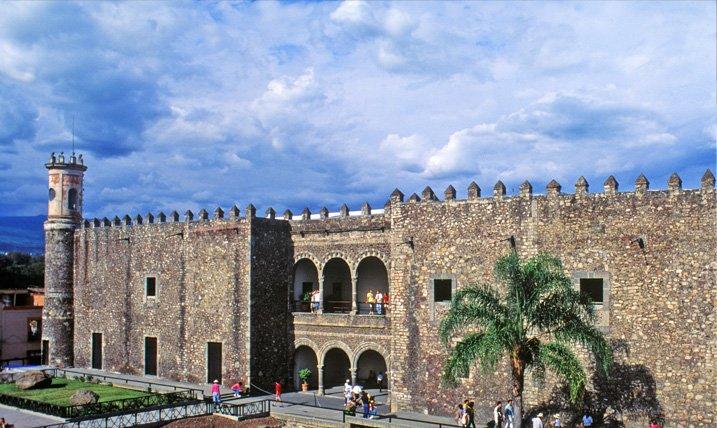
The original appropriation of funds turned out to be inadequate to the task at the Cortés Palace as the structural damage had been underestimated. As work progressed and rubble was removed, ancient features of the palace were revealed. Various projects over more than three centuries had covered over unappreciated murals and architectural features. Scraping pealing walls revealed beautiful art works and decorations worth restoring, and more artists had to be recruited.
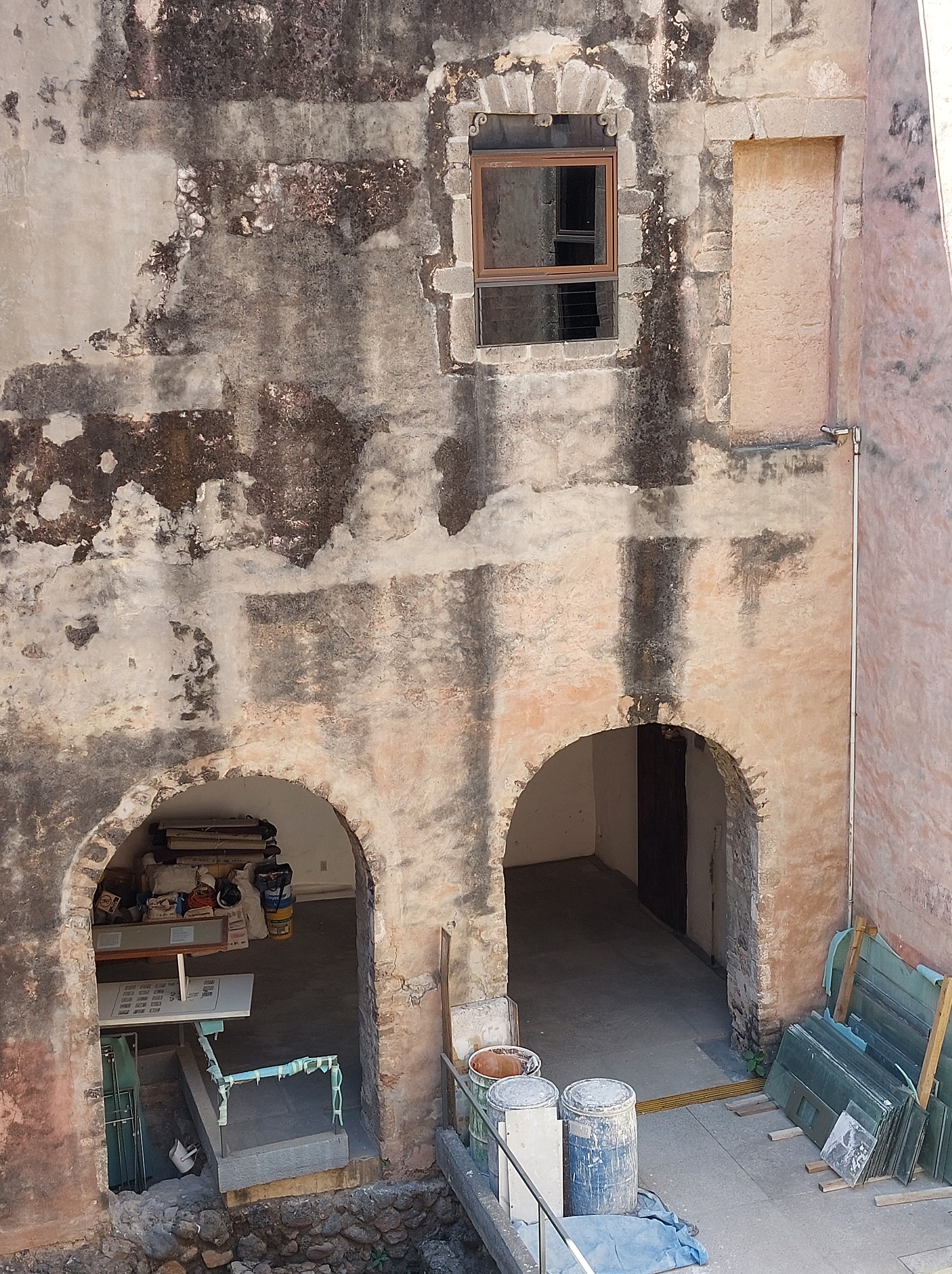
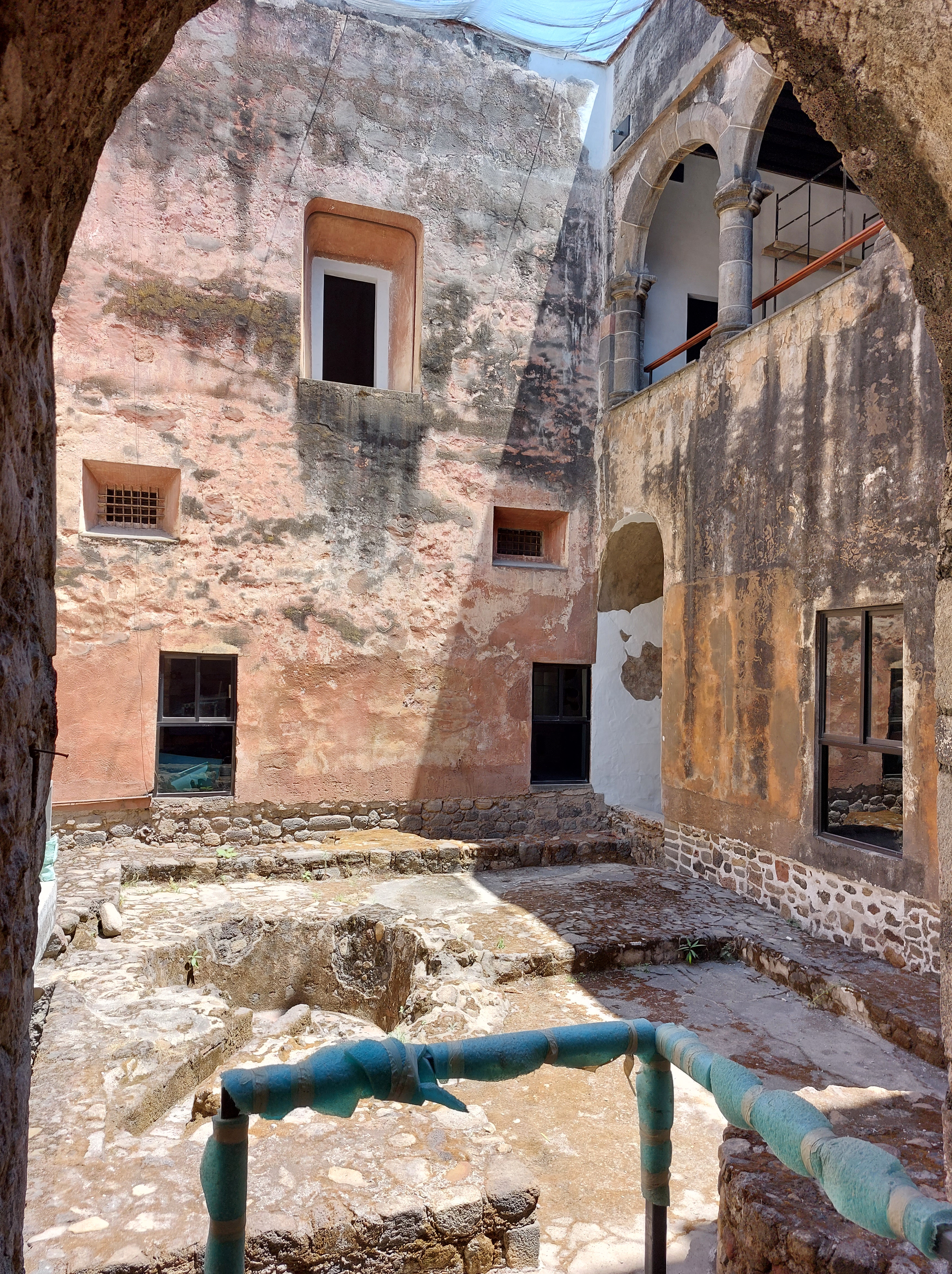
Digging below the floor of the palace revealed the original Tlahuica Indian building destroyed by the Spanish conquest. The conquistador built his fortress/residence over the native ruins between 1523 and 1528. It is the oldest intact colonial structure on the continental mainland, and the imposing building is the most iconic feature of the “City of Eternal Spring.” The building passed through various phases: residence, prison, army barracks, and State Government offices. In 1930, Diego Rivera painted some of his most beautiful murals in a palace alcove, paid for by U.S. Ambassador Dwight Morrow. In 1969 the state government moved to a new building on the Plaza de Armas, and the palace was put in the hands of INAH and work began turning it into the Regional Museum Cuauhnáhuac, inaugurated in 1974.
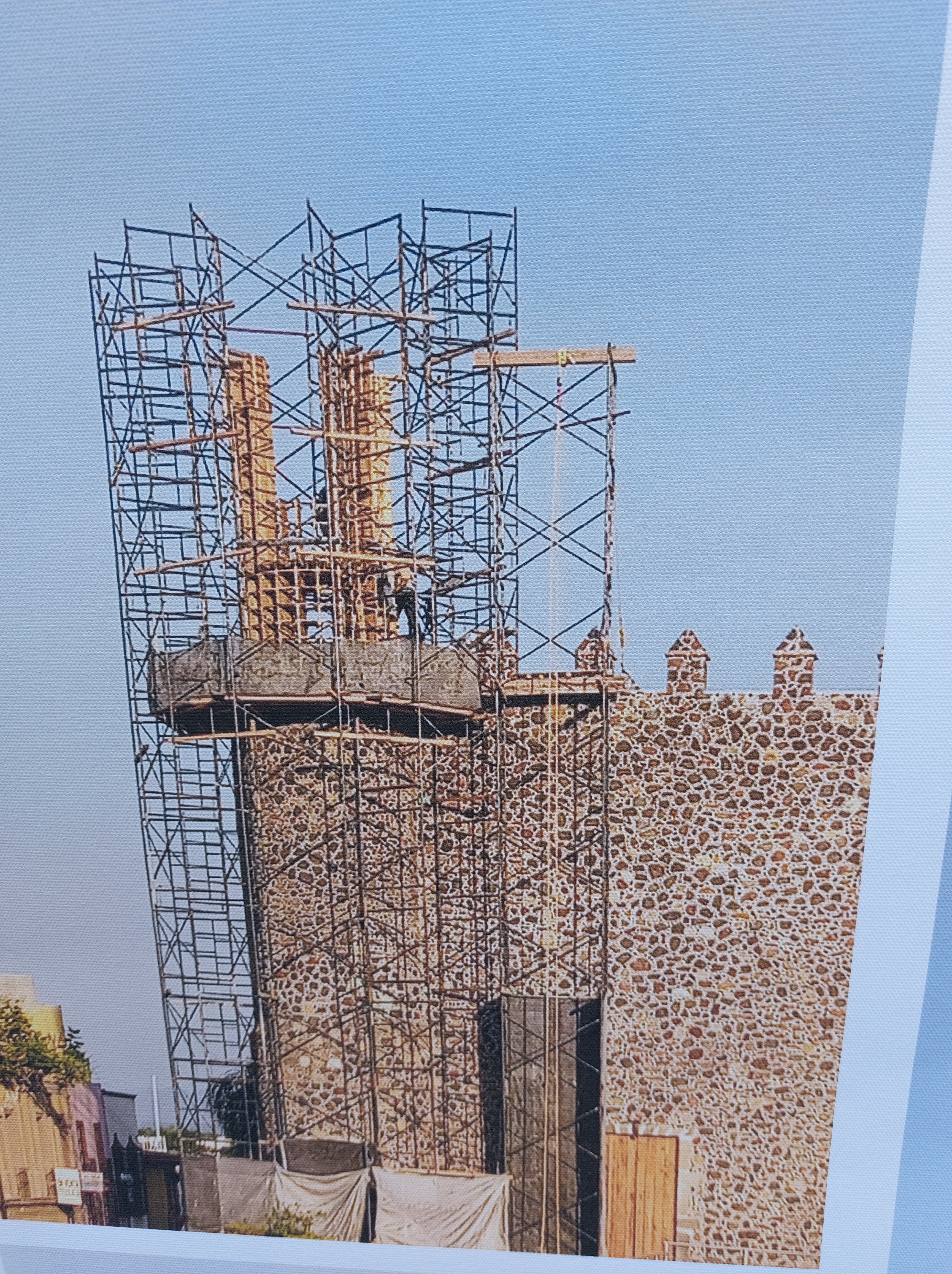
Perhaps as a response to public impatience, INAH officials led by Director Victor Hugo Valencia Valera precided over the ceremonial unveiling of the restored tower on June 29, 2022. The tower was not part of the original palace but added in 1910 as part of President Porfirio Diaz’s public works to celebrate the centenary of Mexican Independence.
The tower, or torreón as it is called in Spanish, was so heavily damaged that it threatened to collapse with potential human and structural harm. It was dismantled completely and a new structure built on its base, using a much lighter wooden frame that reduced the original weight of 44 tons to just 2.54 tons. The new tower was unveiled June 29, 2022, including the early-16th century clock donated by Charles V of Spain, originally on the Cathedral façade, the oldest clock in the hemisphere.
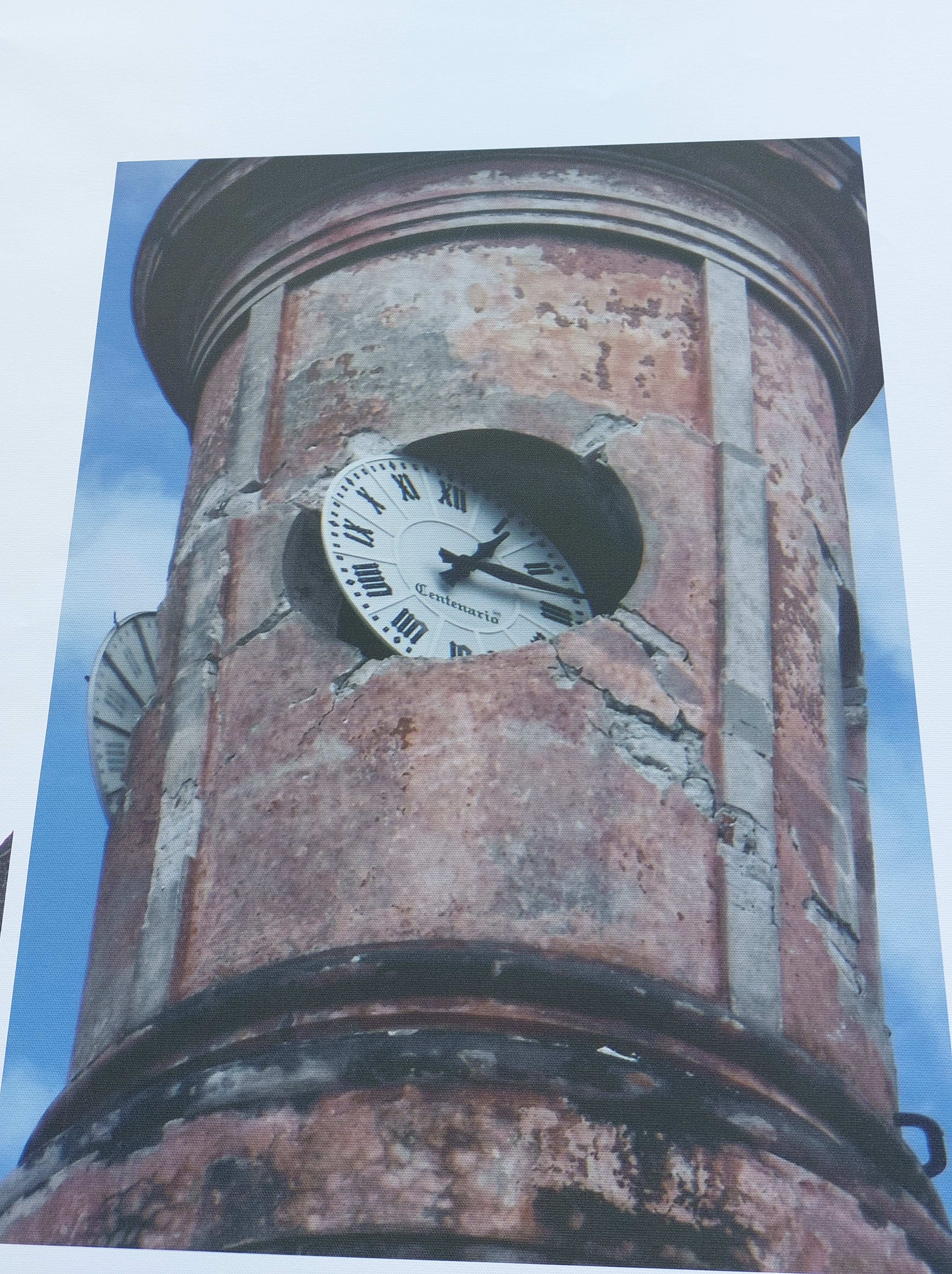

On June 29, 2022, a crowd of local dignitaries gathered outside the palace to watch the clock ding at 1:15 pm, the exact hour the quake brought the hands to a stop in 2017.


Finally, the restored musem reopened to the public in time for Holy Week in April 2023. Some areas are still under restoration, but the museum, rechristened El Museo Regional de los Pueblos de Morelos, once again welcomes visitors. The Director is Rodolfo Candelas. Those who remember the original museum will be thrilled to see the refurbished salons and the restored murals by Diego Rivera.
The first monument to greet visitors is the Olmec Jaguar monument stolen from Chalcatzingo Morelos in 1964. It changed hands in the underground sale of stolen artifacts until an ad to sell it led U.S. authorities to find it in a warehouse in Denver Colorado. It was returned to Mexico in March 2023. It will be moved eventually to a new museum being built at Chalcatzingo.
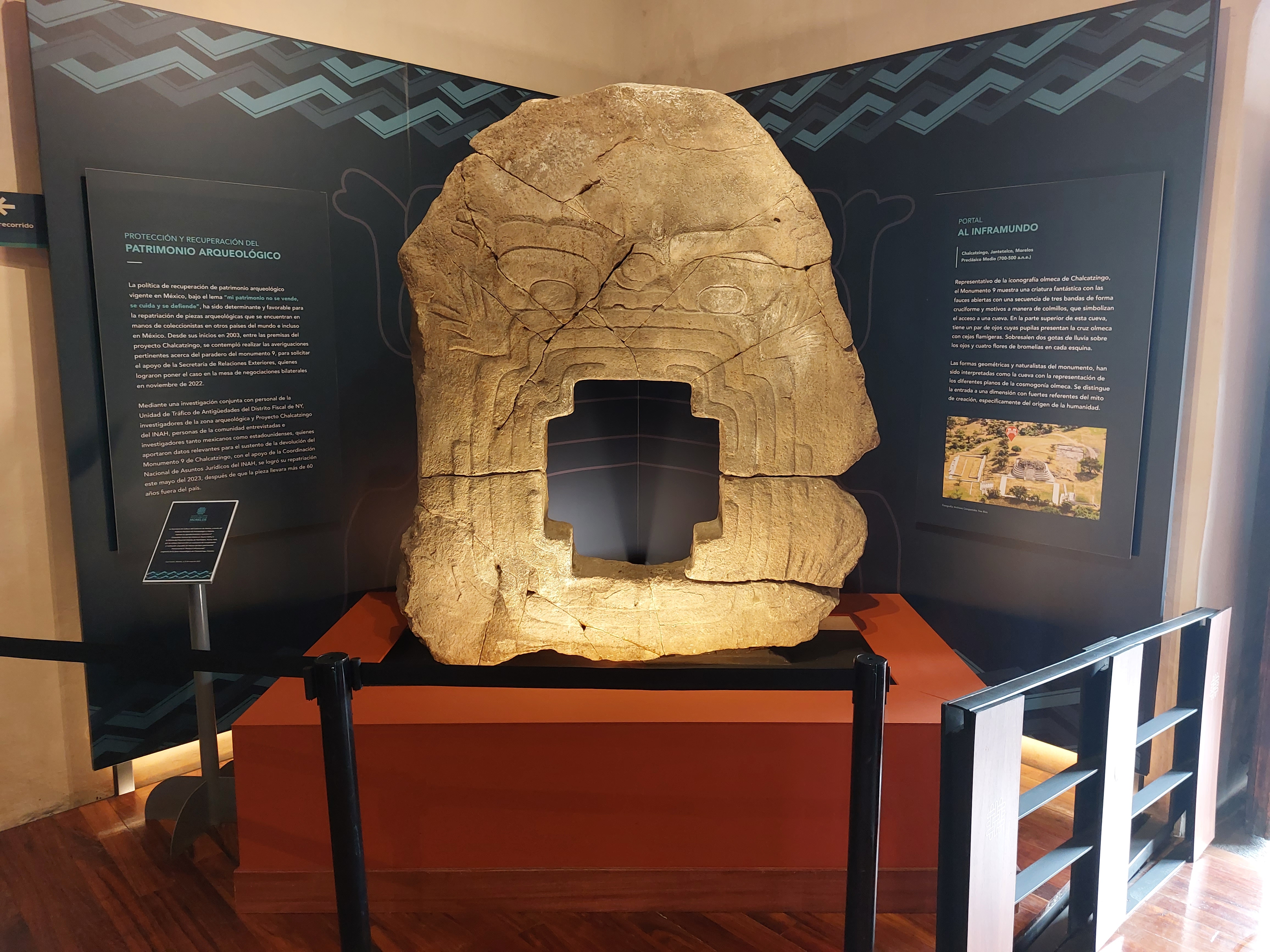
The monument in the shape of a Jaguar with open jaws dates from 700 to 500 BC. It symbolizes the cave entrance to the Olmec underworld. It is likely that high priests entered a temple or altar through the open jaws. An excellent article in the New York Times, if still available, features the monument in describing traffic in stolen artifacts. https://www.nytimes.com/2023/10/23/science/archaeology-mexico-jaguar-chalcatzingo.html
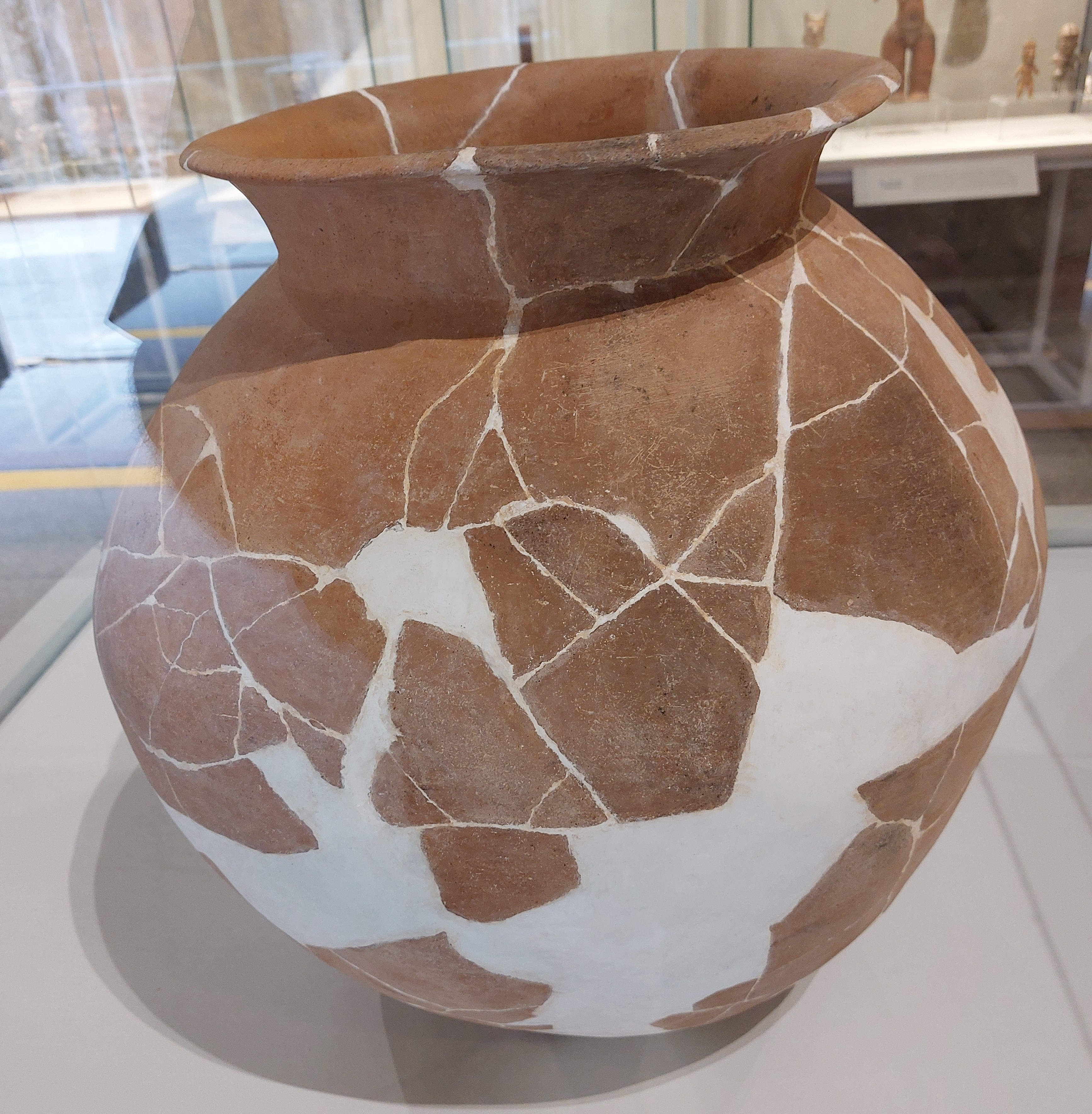
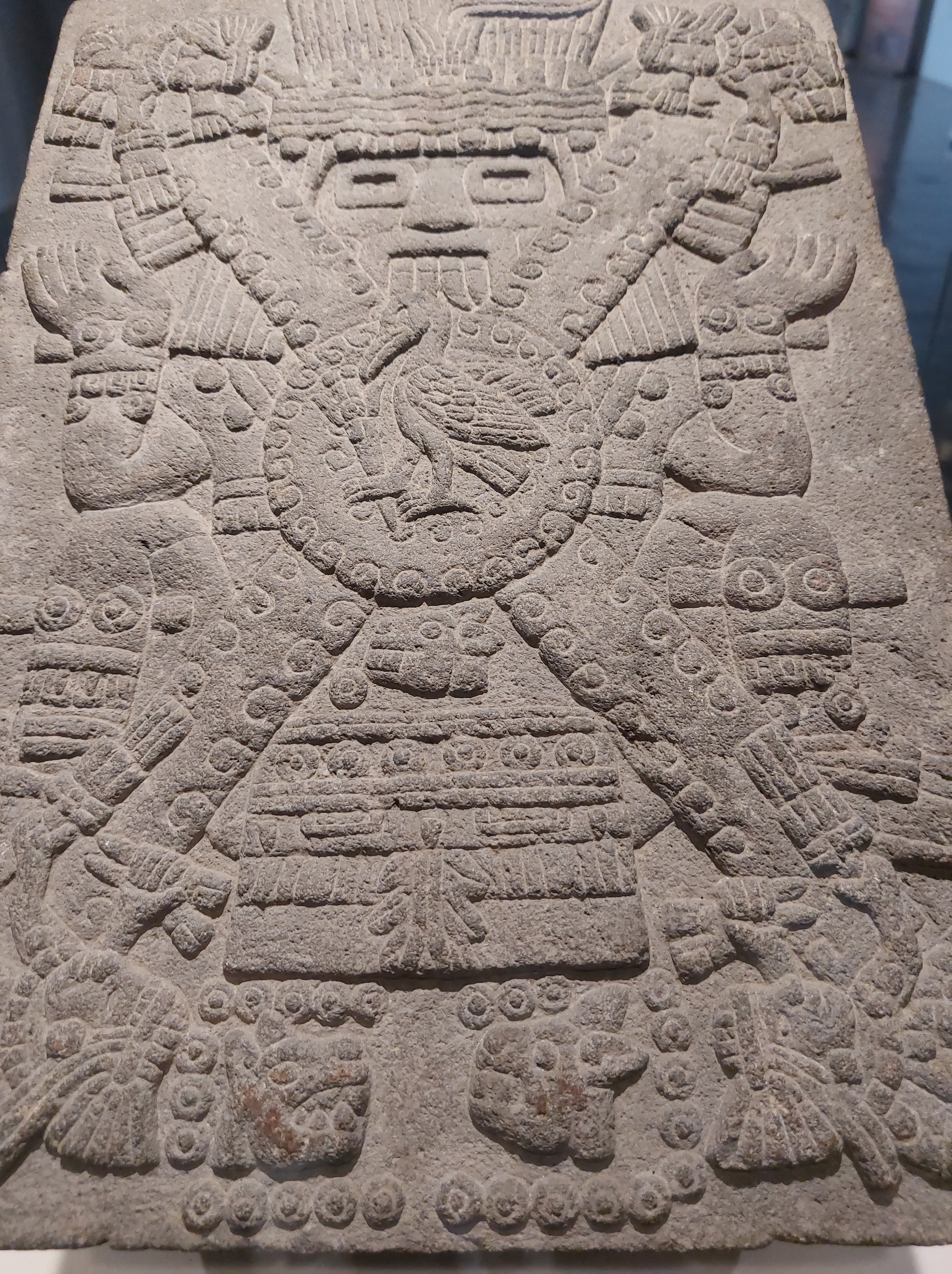
The refurbished salons feature well-lit glass cases holding pre-Columbian artifacts found in different parts of Morelos State.

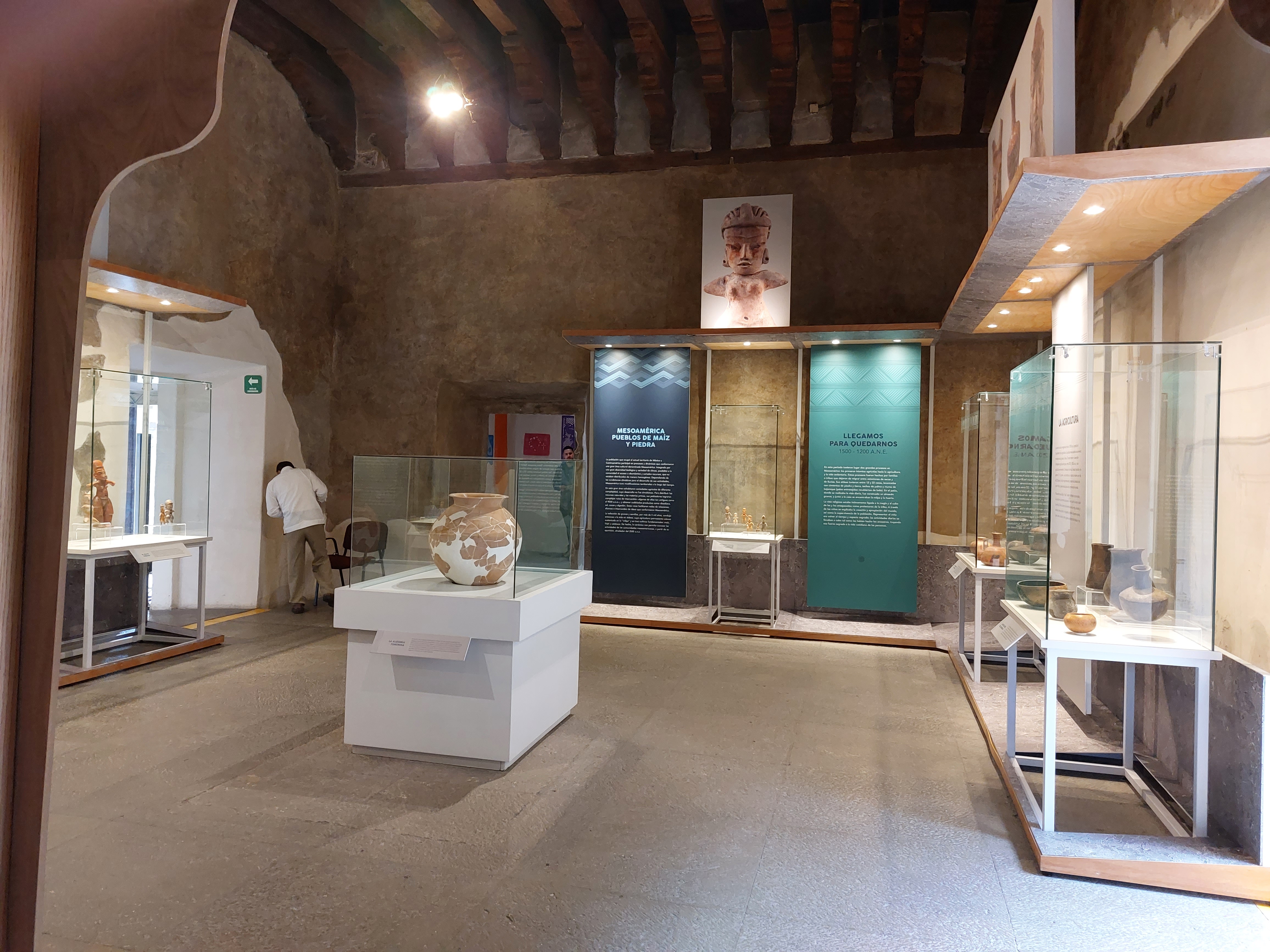



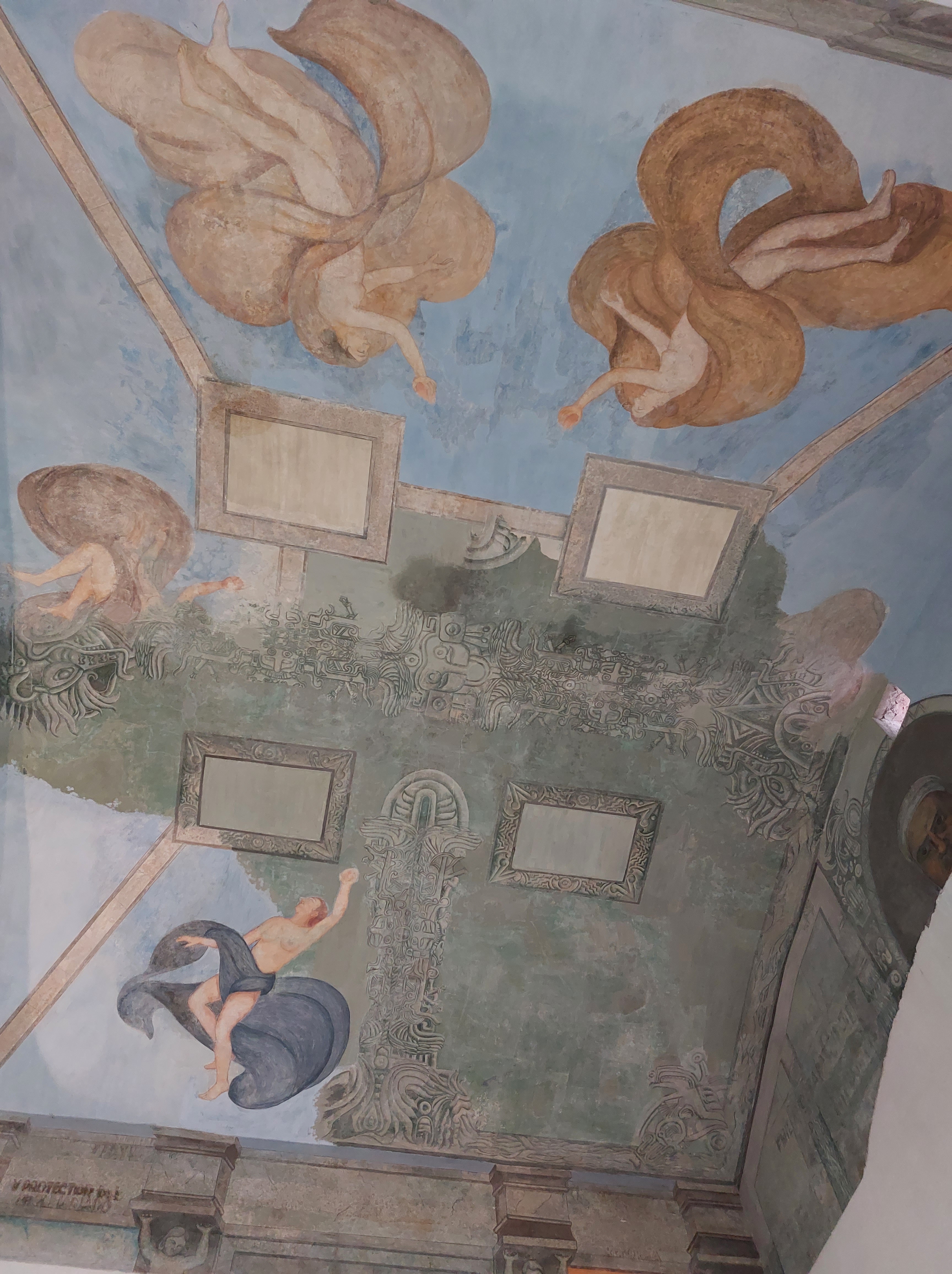
The earthquake damaged several ceilings and restoration revealed beautiful frescoes in the bovedas.


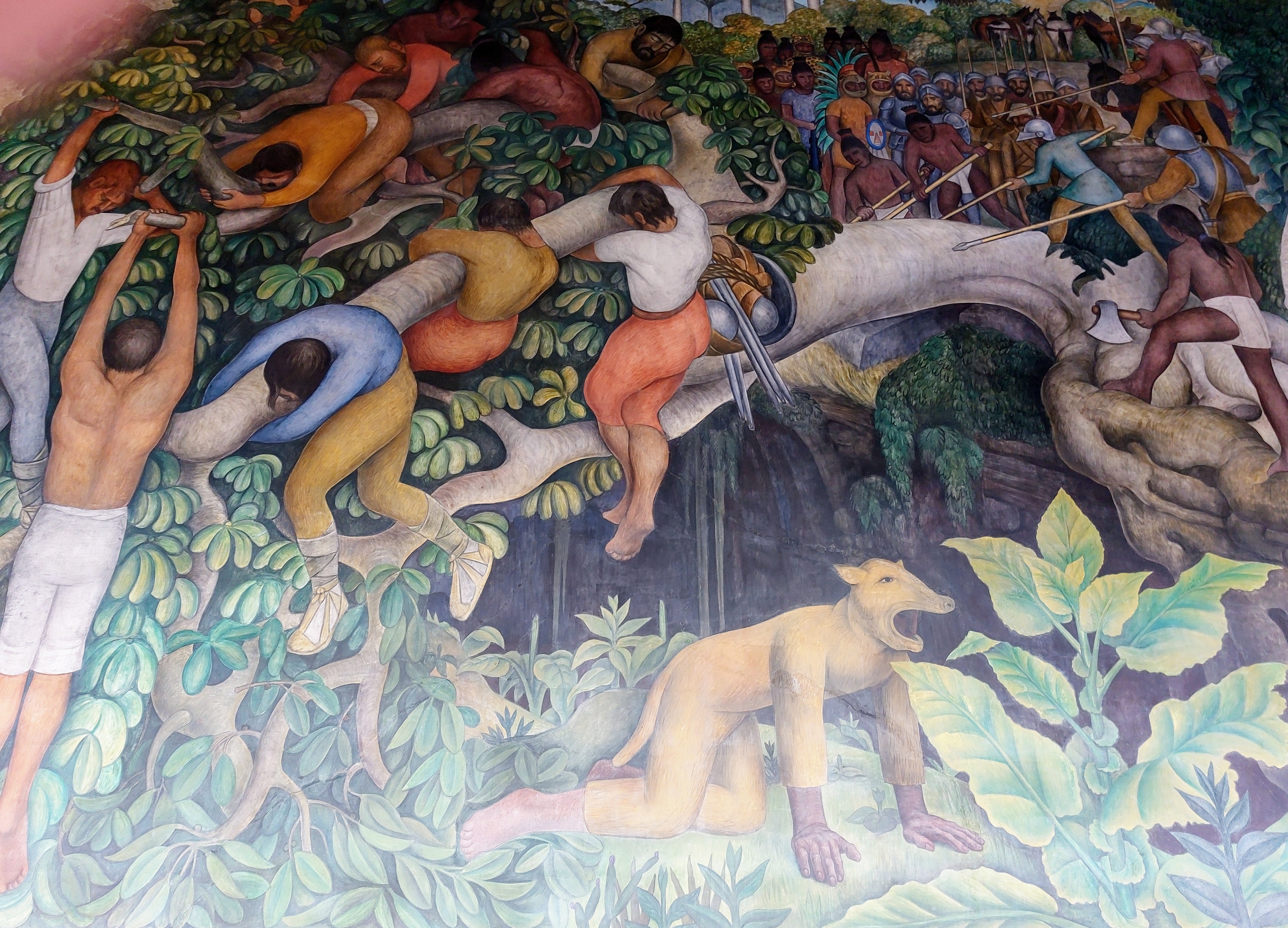
The museum is best known for its murals by Mexico’s most famous artist, Diego Rivera (1886-1957). Wall Street financier and Ambassador to Mexico (1927-1930), Dwight Morrow (father-in-law of Charles Lindbergh) spent weekends out of the embassy in the capital, enjoying the beauty and climate of Cuernavaca during a period of church-state conflict. Having donated money for the painting of a parish church, he didn’t want to appear to take sides and wanted to make a gift to the State of Morelos. The Cortés Palace was then the site of the offices of the state government. He paid Diego Rivera 15 thousand dollars from his own pocket to paint murals in an east-facing corridor of the palace. INAH restorers did a magnificent job repairing damage from the quake.
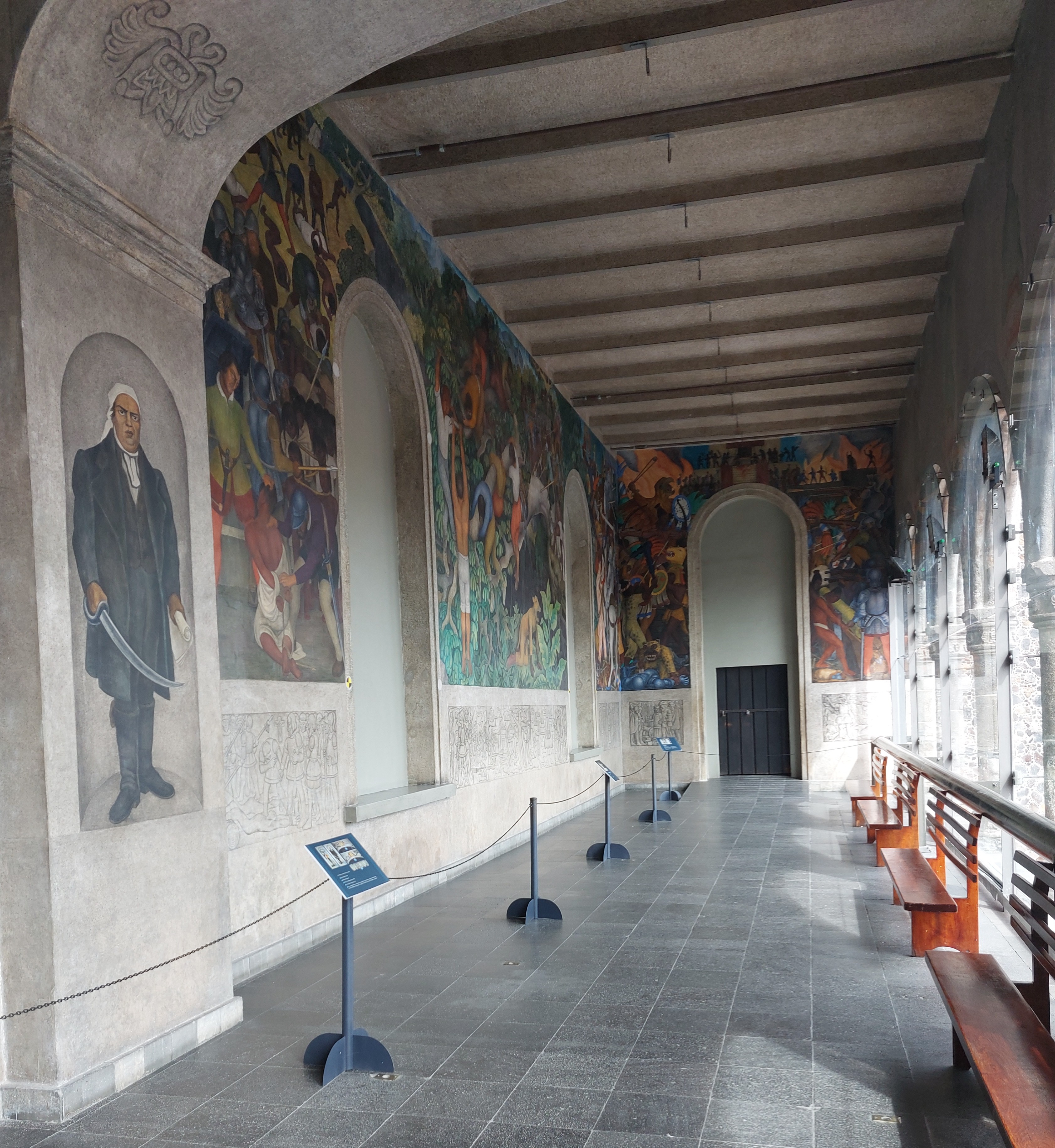
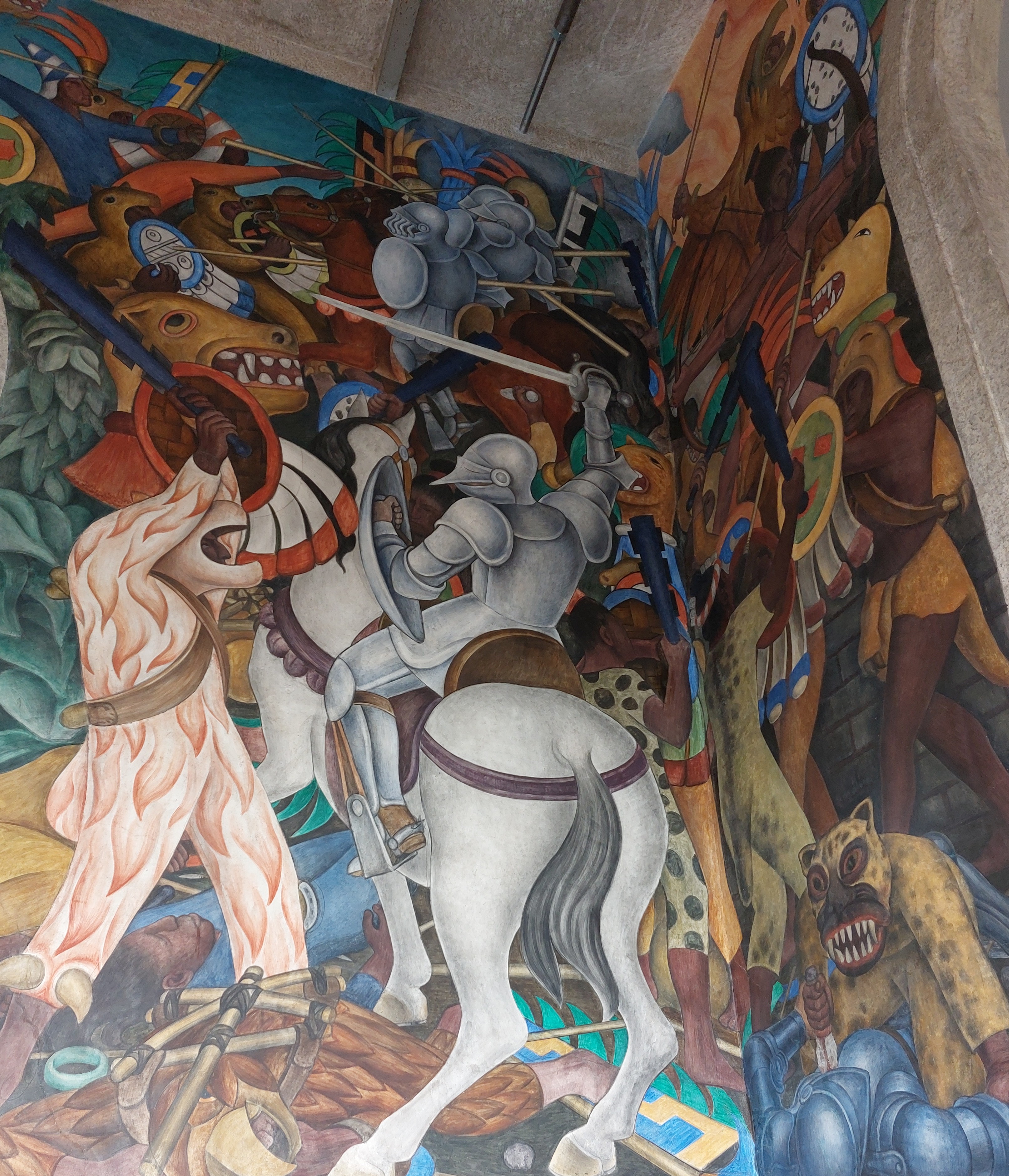


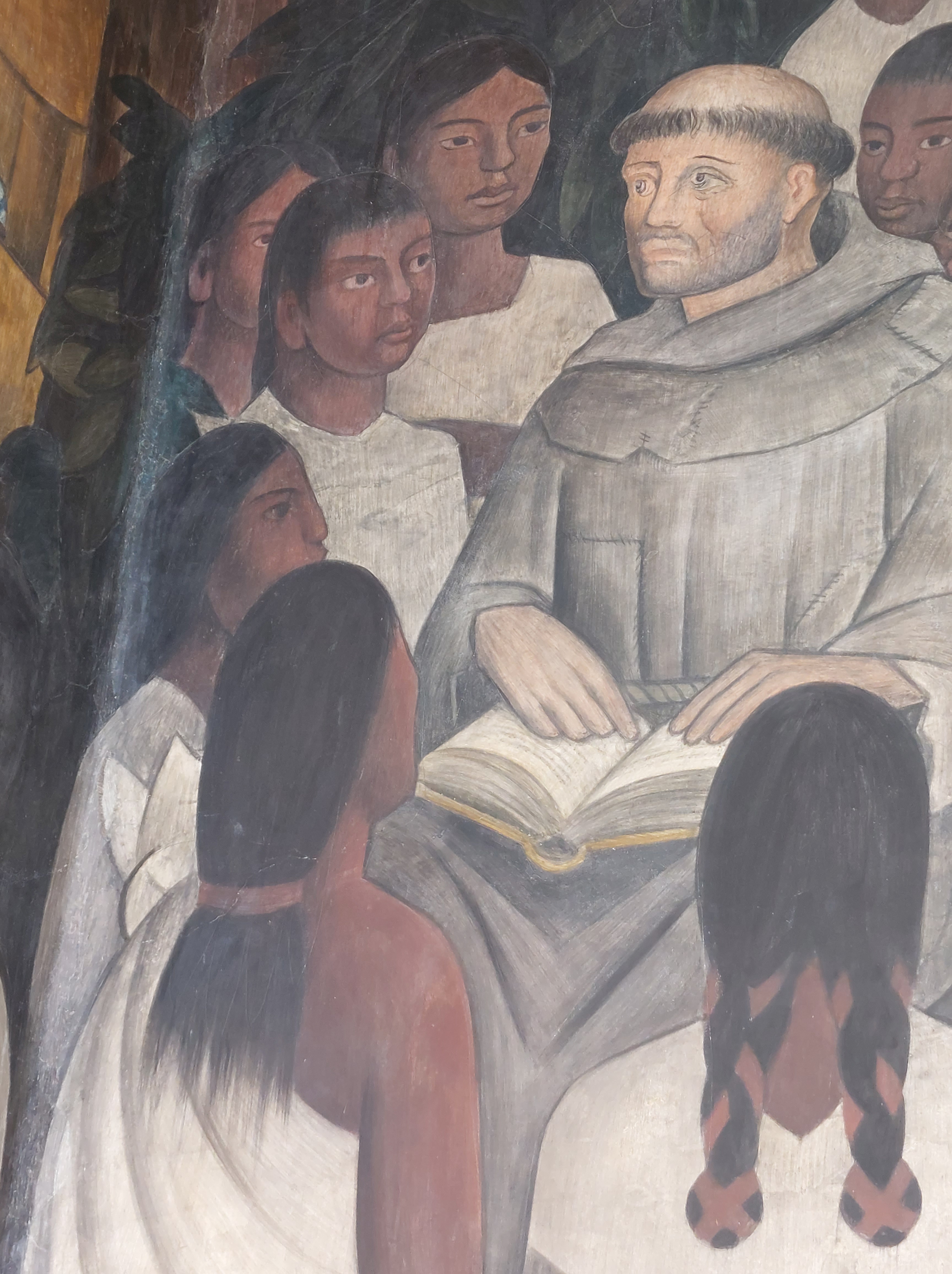
Ambassador Morrow would occasionally walk from his home on a nearby street now named for him to watch Rivera working. Rivera was a communist and an atheist, and he almost always depicted priests as ugly and greedy. According to Morrow’s biographer, Morrow asked Rivera if he didn’t know of any good-looking priests. Rivera later surprised Morrow with an image of humble Friar Bartolome de las Casas, a 16th century monk who defended the Indians against slavery. He may be the only good-looking priest in a Rivera mural. (Harold Nicolson, Dwight Morrow, 1935). My doctoral dissertation was on Ambassador James R. Sheffield (1924-1927). Among the archives I researched was that of Dwight Morrow at Amherst College, Massachusetts.

El Museo Regional de los Pueblos de Morelos, Cortés Palace, is open to the public daily except Monday from 9 am to 6 pm. General Admission is 90 pesos. Admission is free to Mexicans over 60 years of age, students and teachers with a Mexican credential, INAH personnel, and free on Sunday to all Mexicans and to foreign permanent residents over 60 with credential.
On the south side of the palace is a large covered marketplace for Mexican handicrafts, jewelry, tee shirts, and souveniers.

If you wish to receive notice of new posts automatically on your email, click on the link FOLLOW on your device (SEGUIR if your device language is Spanish).
Sources:
Attendance at the June 29 INAH ceremony at the palace.
Research for my book, Cuernavaca, A Guide for
Students & Tourists, ( E-book, Amazon.com).
Articles
in Diario de Morelos (June 29, 2022), El Sol de Cuernavaca (June 23 and
June 29, 2022), La Unión de Morelos (June 29, 2022).
Harold Nicolson, Dwight Morrow,
1935.
https://en.wikipedia.org/wiki/Palace_of_Cort%C3%A9s,_Cuernavaca
——————————————————————————————————————–
The 2017 edition of my guidebook, due to the pandemic, is still useful except on restaurants and nightlife. I will publish a revised edition in 2024 as an e-book on Amazon.com. https://jimhornnews.com/guide/


 Jim Horn News
Loved this update on restoration progress of the Palace. Thanks so much Jim. I look forward to the opening too.
Hi Jim, thank you so much for sending this! I miss Cuernavaca and all of friends there and hope you are well. Two weeks from today Eleanor and I are moving from our four bedroom house to a two bedroom apartment in a newly built retirement home with Independent, Assisted and Memory care units so you can only imagine what we are going through right now in preparation for the move and then an estate sale, selling our home etc, etc, etc. we will be glad when we are there and the current tasks are completed! Take care! Mary Lou
Sent from my iPhone
>
Thanks Mary Lou, what a momentous decision to move and all the work ahead, but I know you will do it well. Miss you.
Thanks for the update on the palace renovation! I sincerely hope it’s completed in time for our visit in April 2023. It was closed when I lived there 50 years ago and this year when we stayed at your place. Excited to finally have the opportunity to see it.
Thank you, Jim, for sending this good news. We’d hoped it might be open before we left but it wasn’t and so we are looking forward to seeing it next year when we return. You made our stay in Cuernavaca so pleasant that we can’t wait to come back.
I’m so sorry the palace was closed while you were here. It should be open in the New Year. I hope you and Teri will look me up even if you stay elsewhere.
Thanks, Jim. Great news, so very well presented, as always. The background, current news and pictures are terrific!
Thanks Jim for this information. Keep us posted on the progress of the restoration and the final opening of Cortes Palace. I’m impatient to see it again.
Are you back in Cuernavaca now?
ROSS
Thanks Ross, Yes, back in Cuernavaca or I could not have attended the June 29 unveiling. Cheers.
Pingback: RESTORATION OF THE CORTES PALACE - Spanish School´s Blog at Uninter