Photos are by the author unless otherwise noted.
Readers of travel literature can hardly miss the numerous posts on overcrowded and overrated destinations. The mobs overrunning sites like Rome, Barcelona, Venice, and the Amalfi coast, have begun to spark interest in lesser-known, off-the-beaten-path locations. If you’re looking for an uncongested but exceptional destination, it’s hard to match Cuernavaca, Morelos. Most lovers of Mexico have long been lured to beach resorts like Cancun and Puerto Vallarta. When I tell even seasoned travelers that I live in Cuernavaca, the response is usually “never heard of it.” Yet it is almost universally well known among Mexicans for good reason.
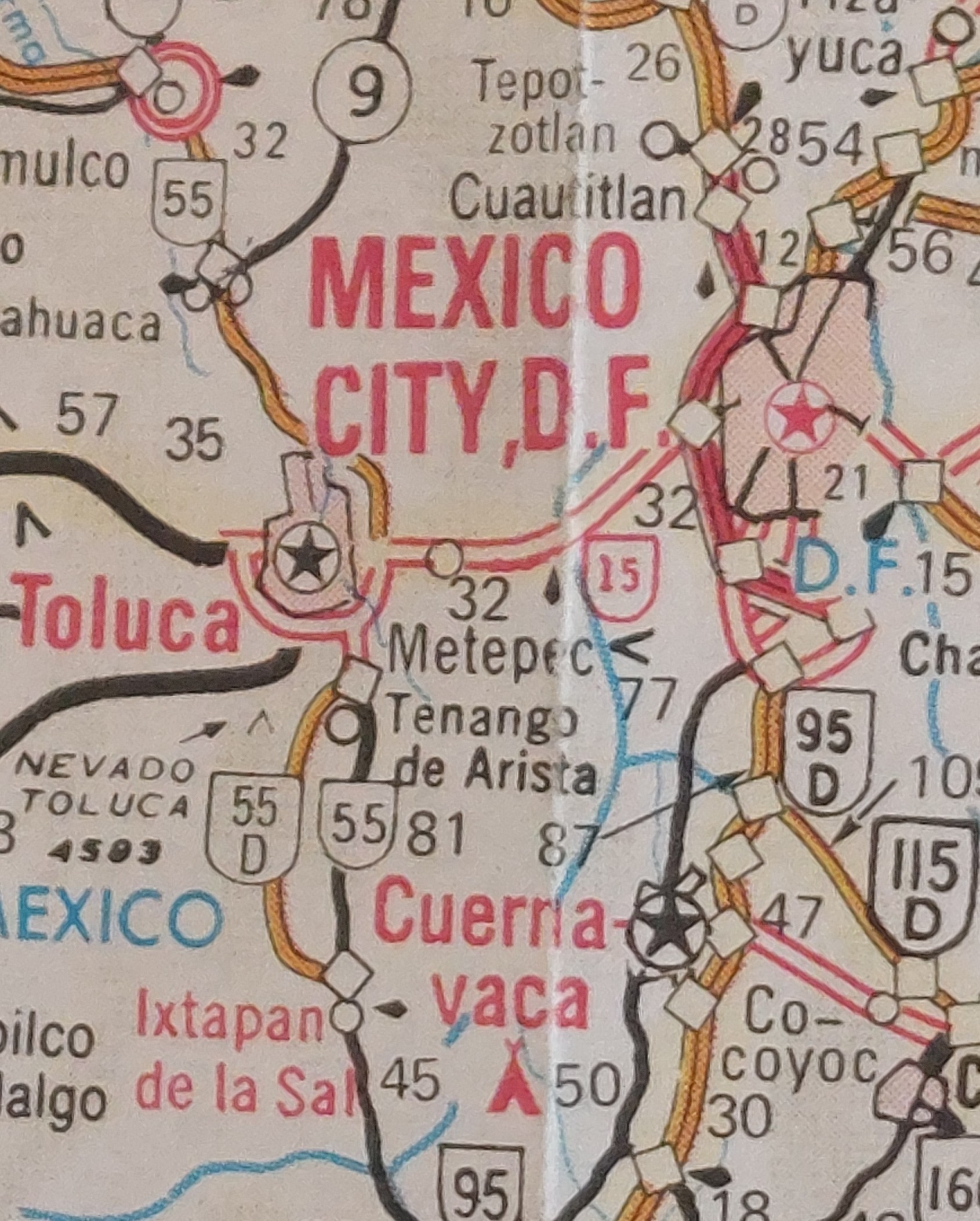
Cuernavaca is a resort city and capital of the state of Morelos 75 kilometers (50 miles) south of Mexico City. Its near-perfect climate has attracted vacationers since the days of the Aztec emperors. With over 30 million people in the Mexico City metropolitan area, travel to this resort town 90 minutes away has always been steady. The city and Morelos State tourist offices have never received sufficient funds for international promotion. Travel businesses depend on weekenders from the capital and neighboring states, and much smaller numbers of well-informed tourists from abroad. One can revel in a wealth of attractions without bumping shoulders with mobs.
In the 1960s Cuernavaca was discovered by North American and European students attracted by the language schools specializing in teaching Spanish to foreigners. In the 1980s, Cuernavaca was second in the world only to Salamanca, Spain as a center for Spanish-language study. In the last fifteen years, the bloody drug wars and violence in high-crime regions have tainted the whole country and international tourism has taken a plunge even in Cuernavaca where foreign tourists are quite safe. Several hundred expats, mostly from the U.S. and Canada, but small numbers from many other countries, have retired here happily. Like me, they don’t want to live anywhere else. The reasons are described in my blog post https://jimhornnews.com/2020/01/10/cuernavaca-mexicos-unparalleled-place-to-retire/
Your first glimpse of Cuernavaca from a bus window may be a disappointment with streets in disrepair and peeling paint on crumbling walls. But don’t give up so soon. To love Cuernavaca you must know the city “behind the walls,” explore the side streets, discover the hidden gardens, and seek out the quiet retreats. If you wallow in the pot holes, you may miss the beauty of the humblest home, its stucco walls splashed with flowers, its sunbathed balconies crowded with clay pots. If nothing else the constant sunshine should warm you to the charms of this ancient city with its rich past.

GETTING THERE
Pullman de Morelos provides direct buses from the Mexico City airport to Cuernavaca’s La Selva station about every 40 minutes, less frequently from the Toluca and Felipe Angeles airports. Pullman’s services to all destinations are available online at https://pullman.mx/. A taxi or private driver to Cuernavaca from the airport will cost 90 to 100 dollars depending on the volatile exchange rate. The transfer can take 90 minutes to over two hours depending on unpredictable heavy traffic. Taxis and Ubers are readily available once you arrive.
WEATHER:
Despite less predictability due to global warming and El Niño, the weather makes this “City of Eternal Spring” one of the most agreeable places in the world, attracting retirees and northern “snow birds.” As you enter the city from the north at about 6000 feet altitude, the temperature is fresh, but it gets increasingly warmer as you descend to the southern limits at about 4500 feet. The numerous hills and ravines provide for several micro-climates within the city. In the dry season, October to late May, temperatures can range from highs of 70 to 90 F. In the rainy season, June to October, frequent showers provide a fresher climate and it may be cooler than Alaska. Temperatures at night during the winter are ten to fifteen degrees warmer than the more popular San Miguel de Allende. Most days of the year are sunny except when a tropical storm hits either coast.
MAIN TOURIST ATTRACTIONS
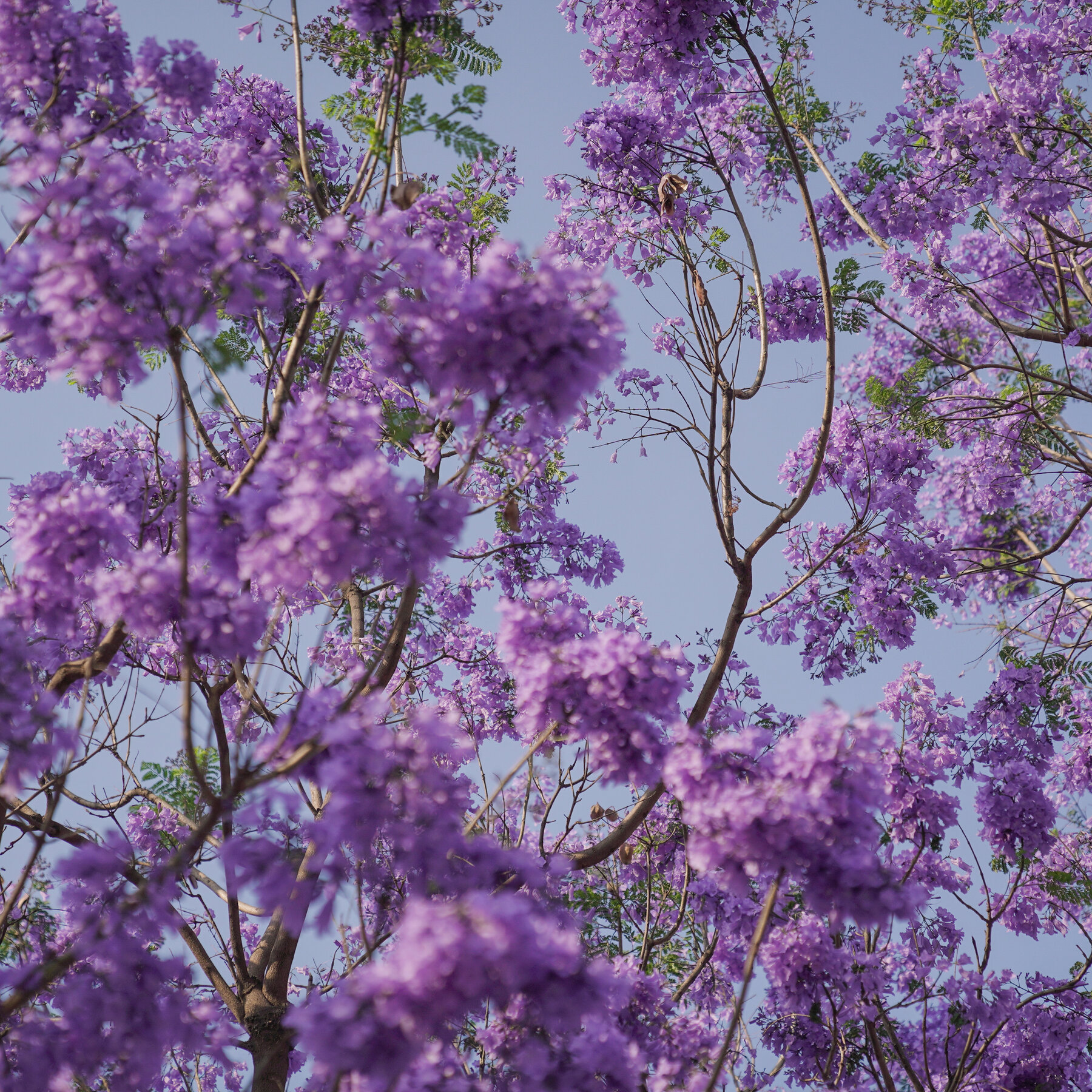
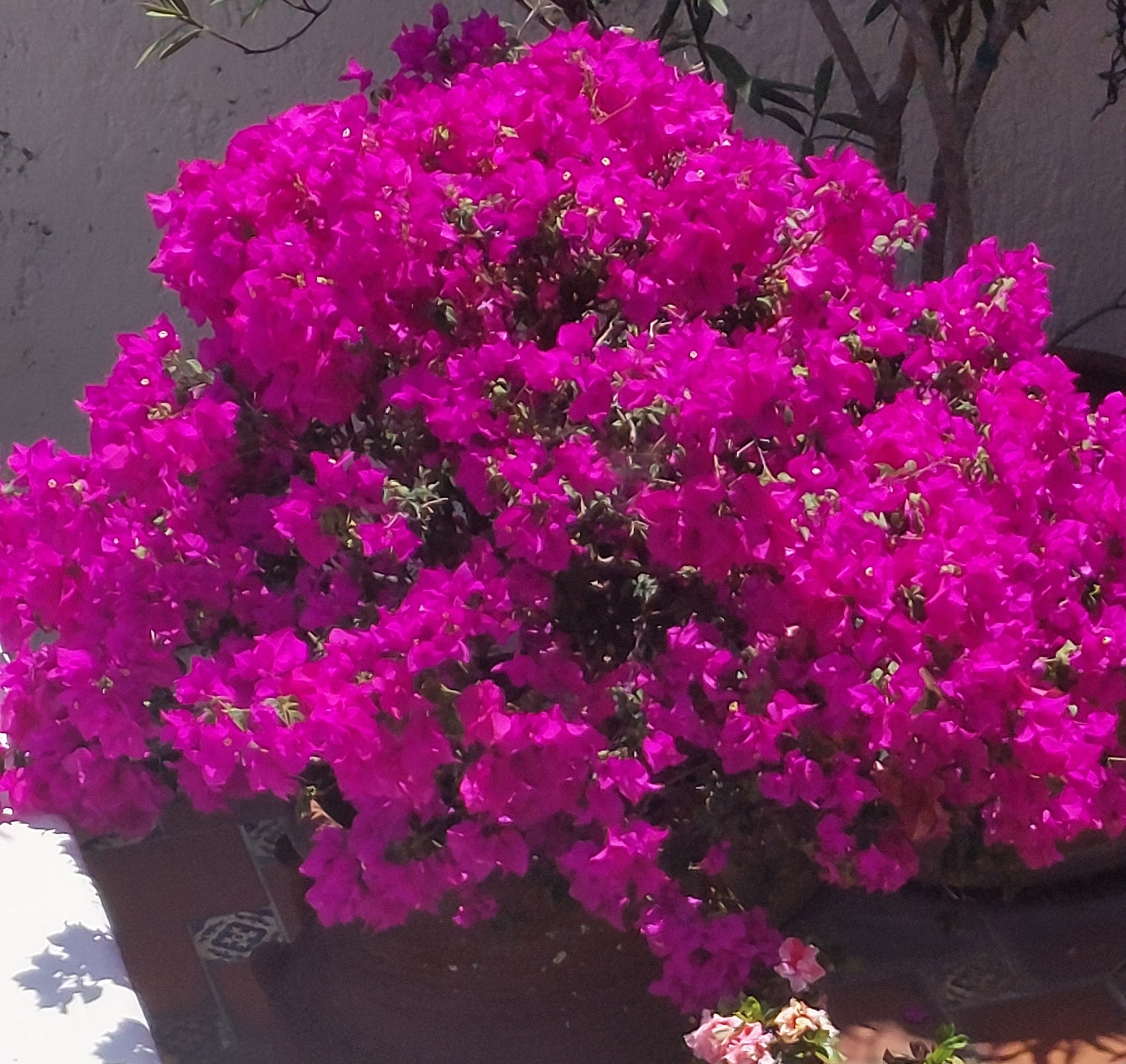
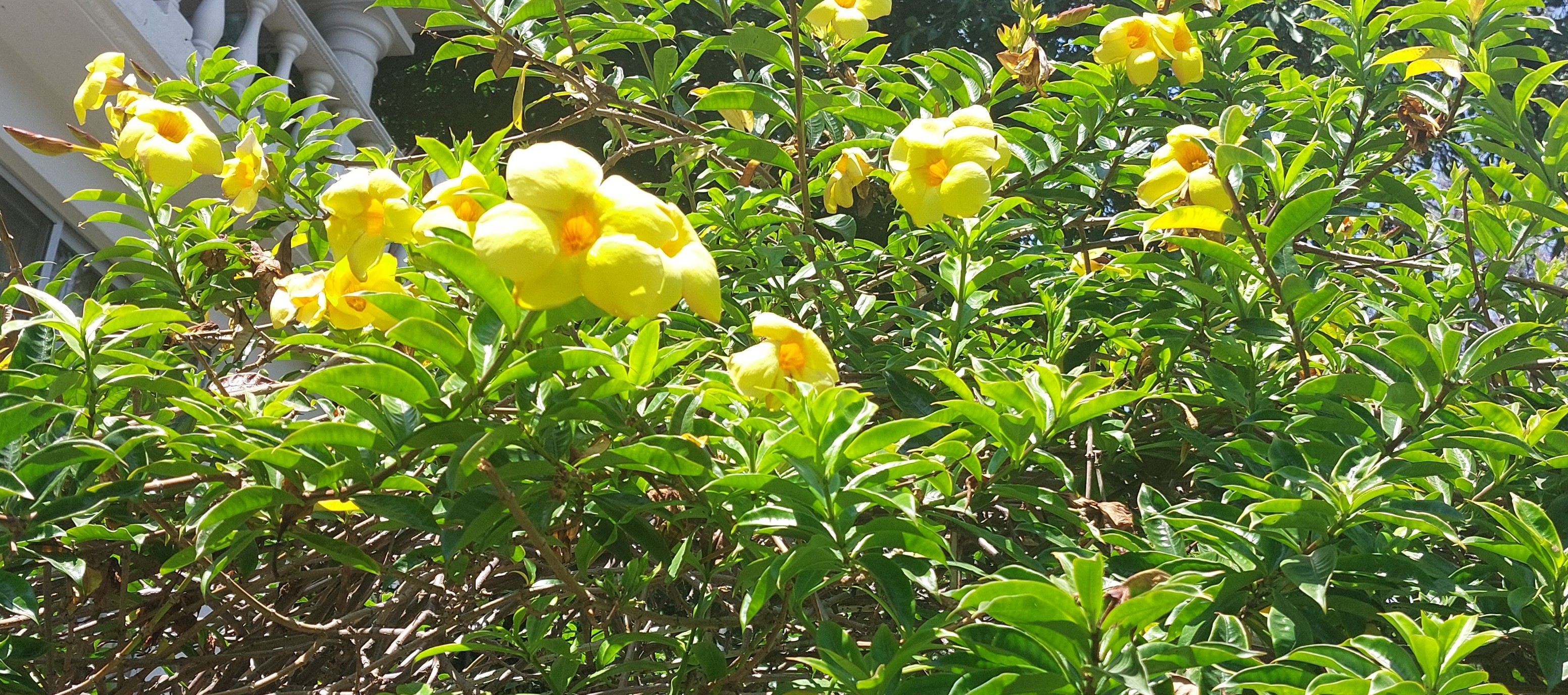
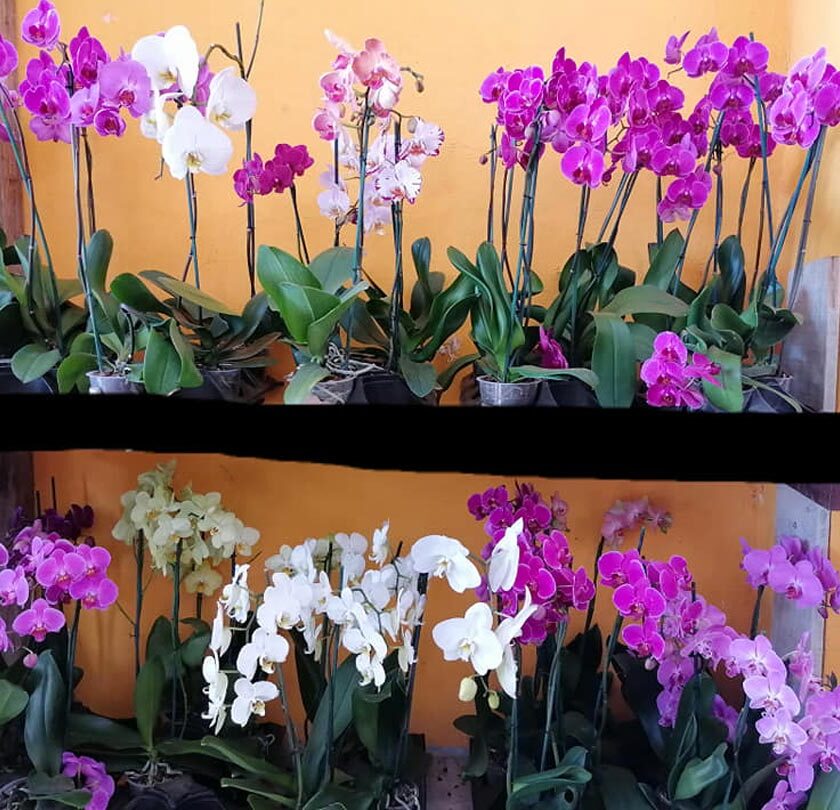
Different flowering trees and bushes blossom throughout the year according to the season. There is always something beautiful in bloom. Here are the most common:




Web photo.
A WALKING TOUR:
The must-see sites downtown can be combined in an easy walking tour. Start at the Cathedral, Santa María de la Asunción, corner of Morelos Sur and Hidalgo. It was built by Franciscan friars with money donated by the conquistador, Hernan Cortés, beginning in 1529 after first completing the adjacent monastery or convento. Across Avenida Morelos from the Cathedral is the Museo de la Ciudad, formerly the ayuntamiento or city council. It holds small exhibits and hosts occasional special events.

a google photo.

Photo by Benjamin Cordoba.
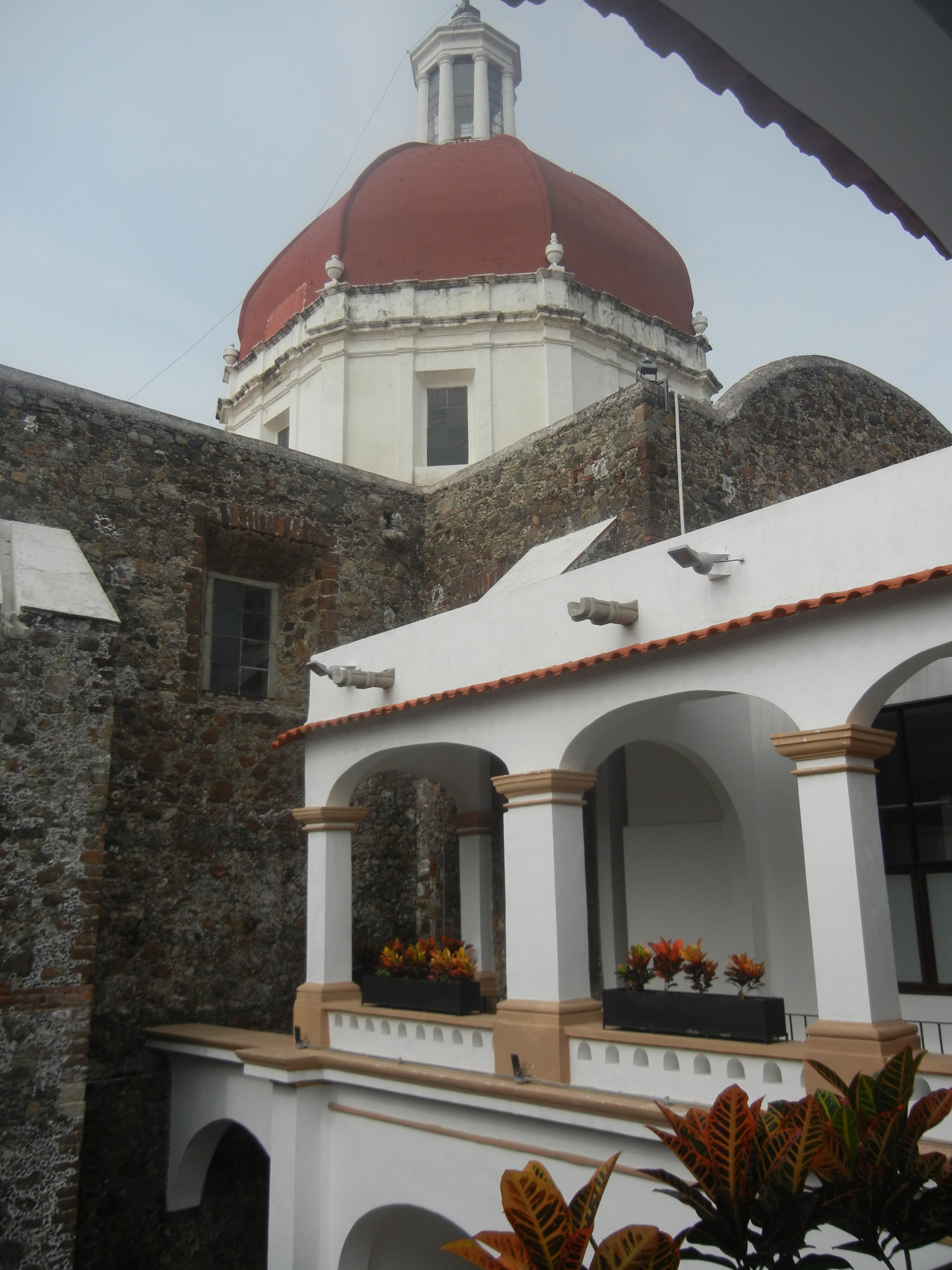
On the same side of Morelos, 50 meters north of the museum, is Jardín Borda, once the property of José de la Borda, the wealthy miner who found so much silver in Taxco that he built the beautiful Church of Santa Prisca there with his own funds. Hapsburg Emperor Maximilian and his wife Carlota used the home as a retreat in the 1860s to escape the winter chill of Mexico City. José de la Borda is buried in the church of Nuestra Señora de Guadalupe next to the gardens. The church, dedicated in 1784, was built by its pastor, José’s son Manuel de la Borda. Maximilian and Carlota made the church their royal chapel which they could enter through a door connecting with their residence.


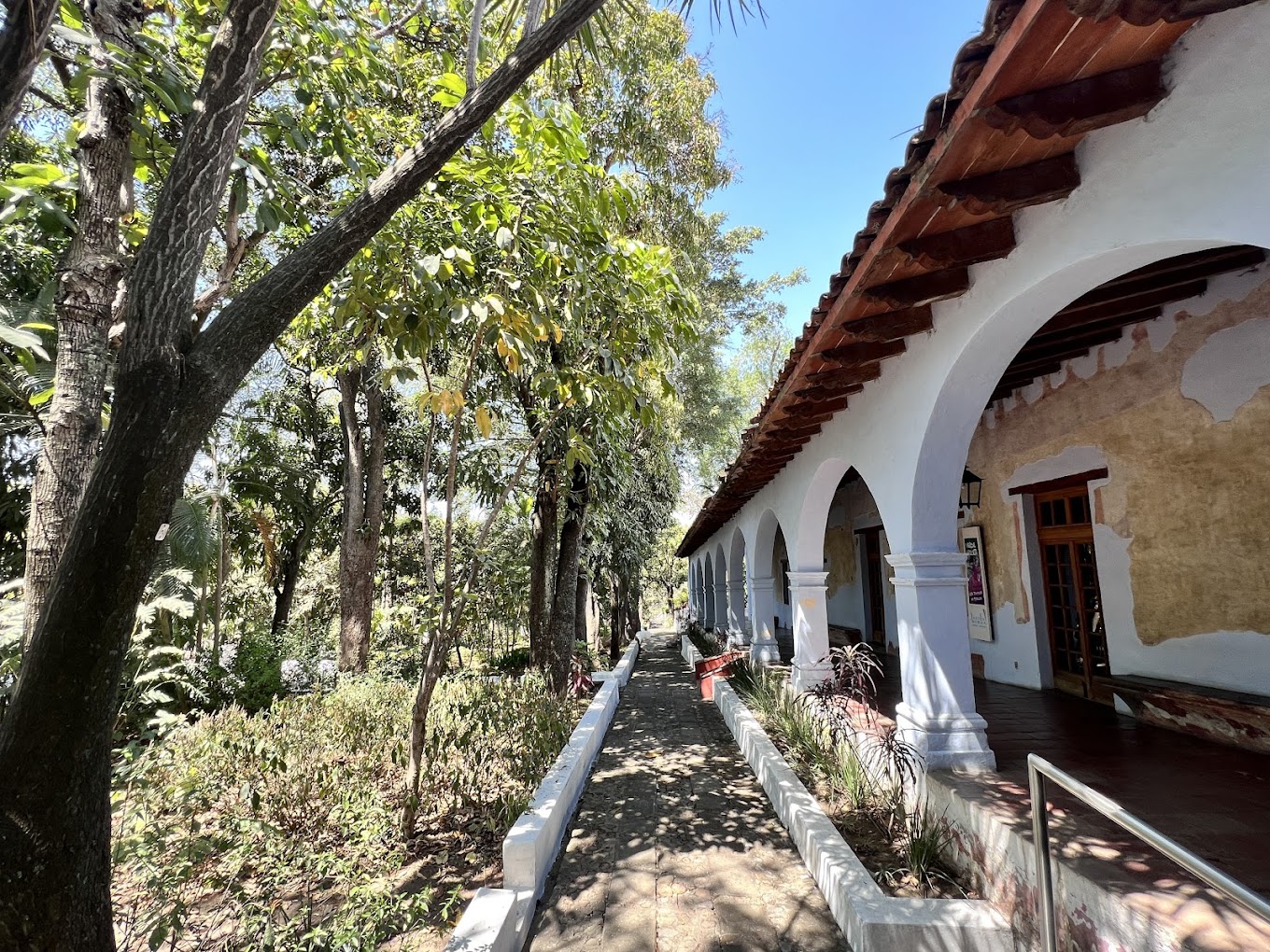
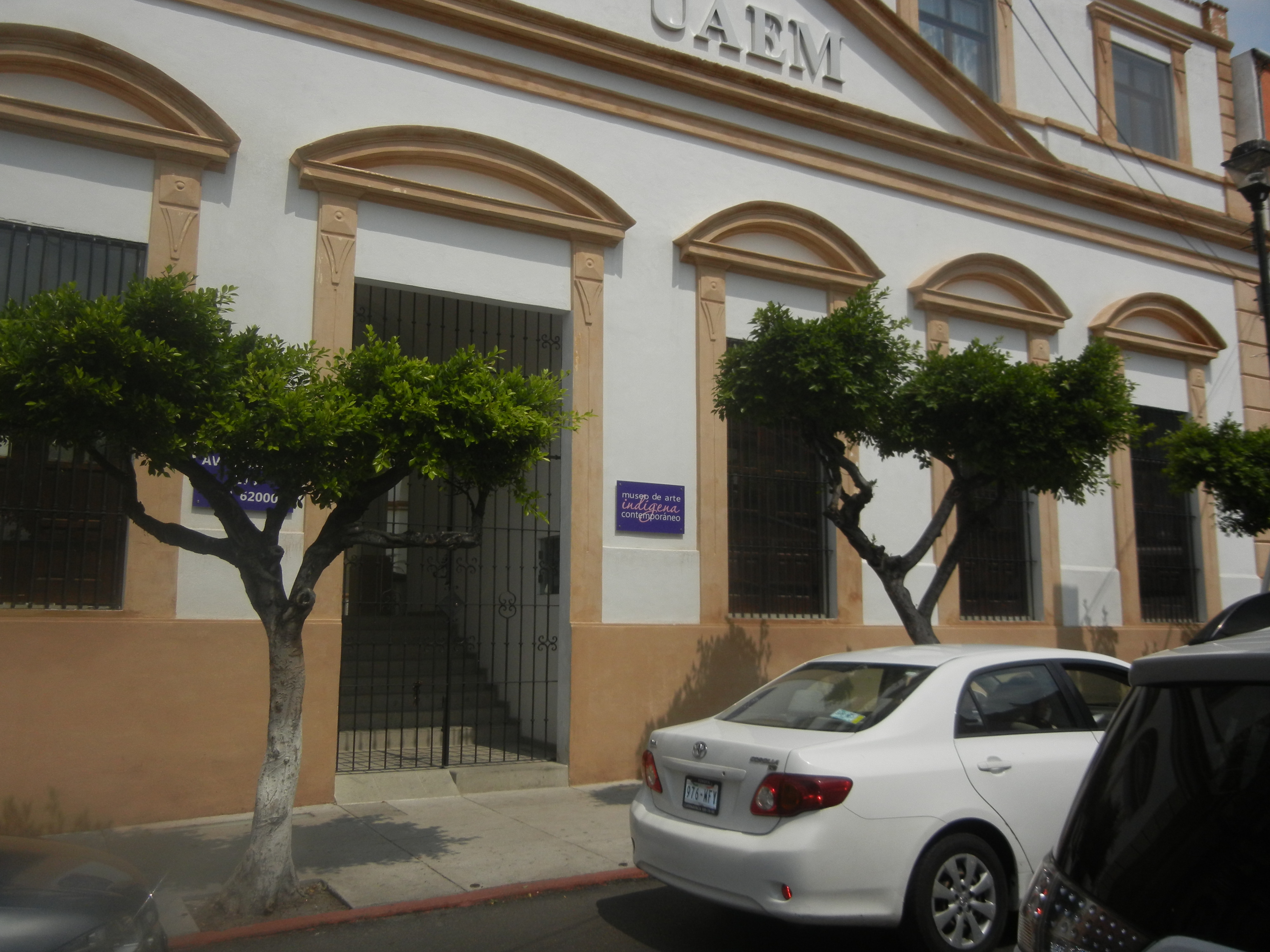
Adjoining the church is the beautiful Museo de Arte Indígena Contemporáneo. It houses splendid works by indigenous artists arranged according to their location in Morelos.

Two blocks north of the museum is Calle Dwight Morrow, one of the few streets in the world named after a U.S. ambassador, who served in Mexico from 1927-30. On the east corner you will find Morrow’s weekend home, Casa Mañana, now the India Bonita restaurant. The mirador and swimming pool are original. The most famous house guest was Charles Lindbergh who married Morrow’s daughter Anne. Don’t miss the family photos in the entry way.
From the Morrow home it is a brief walk to the Zócalo or Centro, composed of the Jardín Juárez and the Plaza de Armas. The kiosk in Jardín Juárez (1890) is similar to many of this period, made in England and sold by catalog. To the west side of the Plaza de Armas or Plaza de la Constitucíón, is the Palacio del Gobierno del Estado or Casa Morelos, inaugurated in 1969 when the state government offices moved from the Cortés Palace.
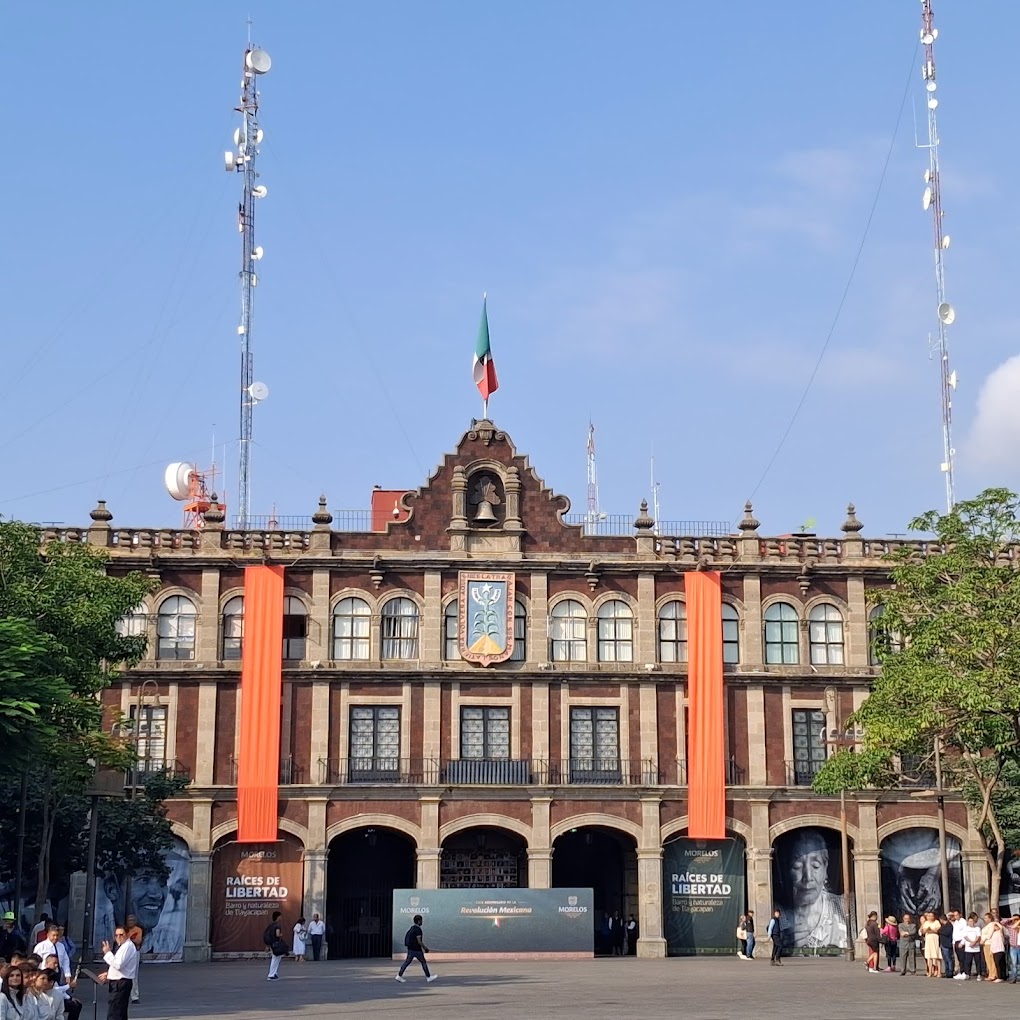
Casa Morelos. Web photo.


Web photo.
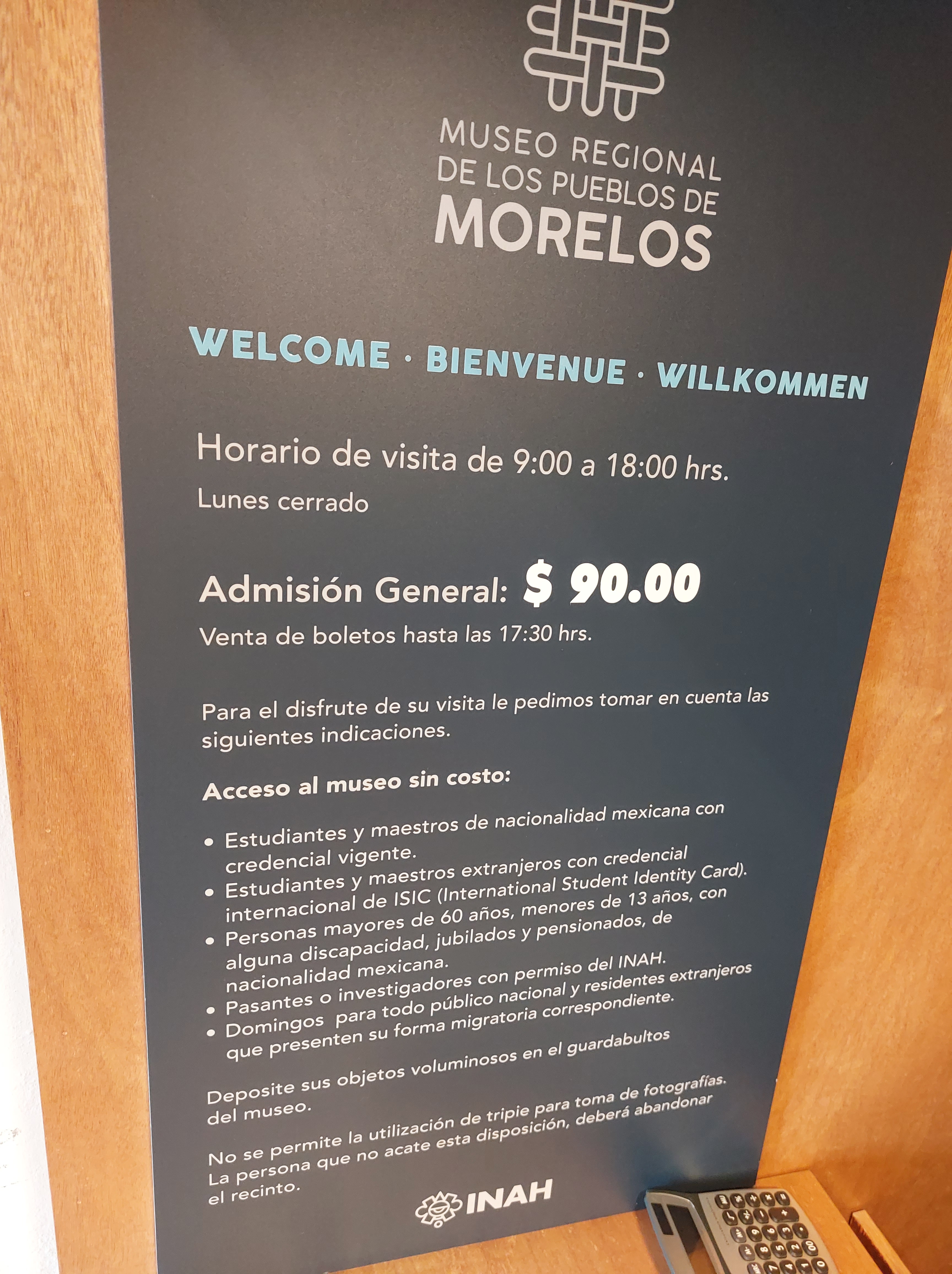
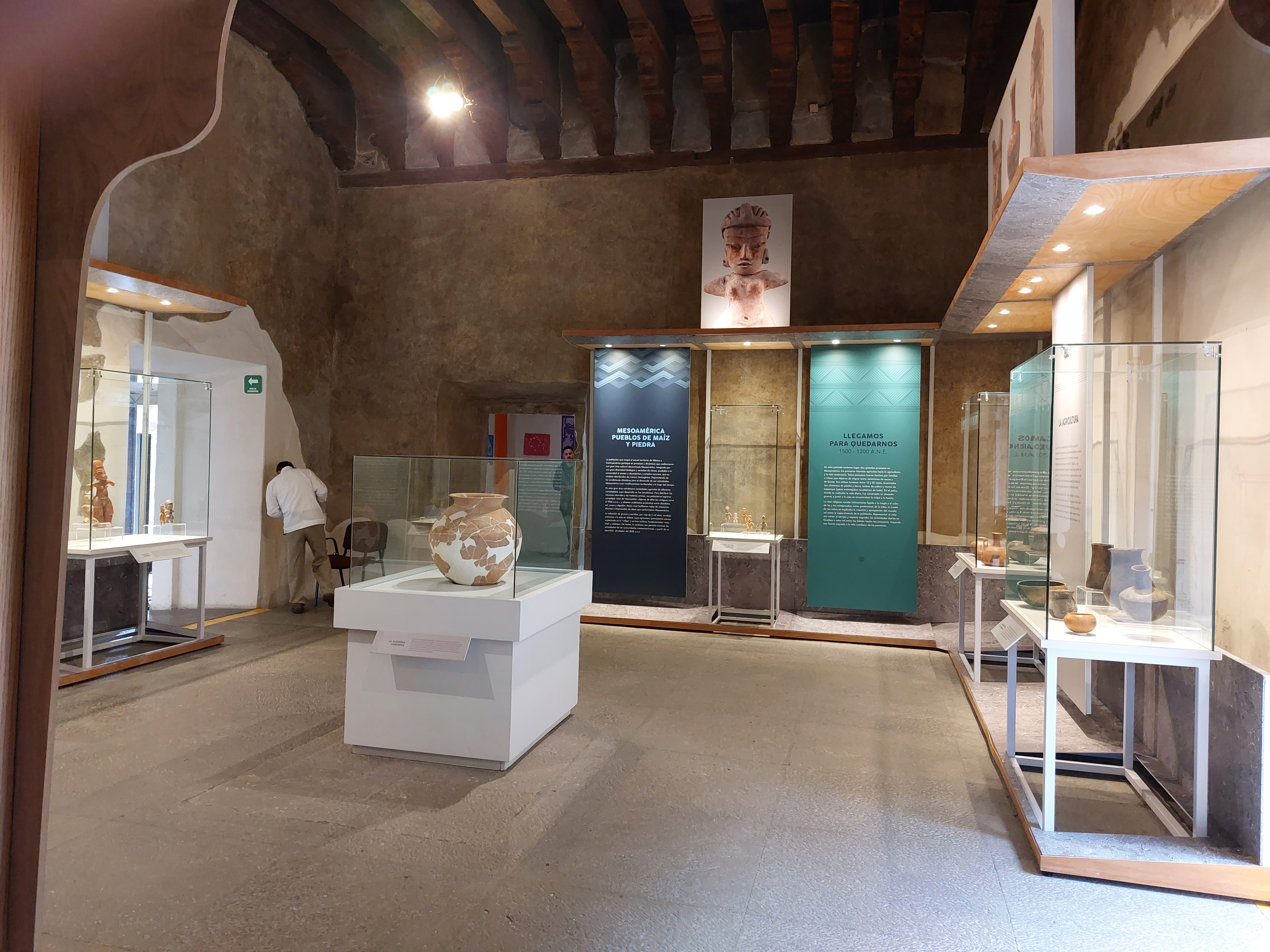
Across from the southeast corner of the plaza is the imposing Palacio de Cortés, begun by the conquistador in 1526 and used both as his residence and fortress. In 1930, Ambassador Morrow gave a treasure to the state, paying muralist Diego Rivera 15 thousand dollars to paint some of his best works in the upper gallery on the east side. The murals were restored in 1996 and again in 2022/23. The building housed the state government offices until 1969 when it was turned over to the Instituto Nacional de Antropología e Historia (INAH) to be converted into a regional museum. The palace was damaged severely by the earthquake of September 2017 and closed to the public until April 2023 when it reopened as the Museo Regional de los Pueblos de Morelos.

a google photo
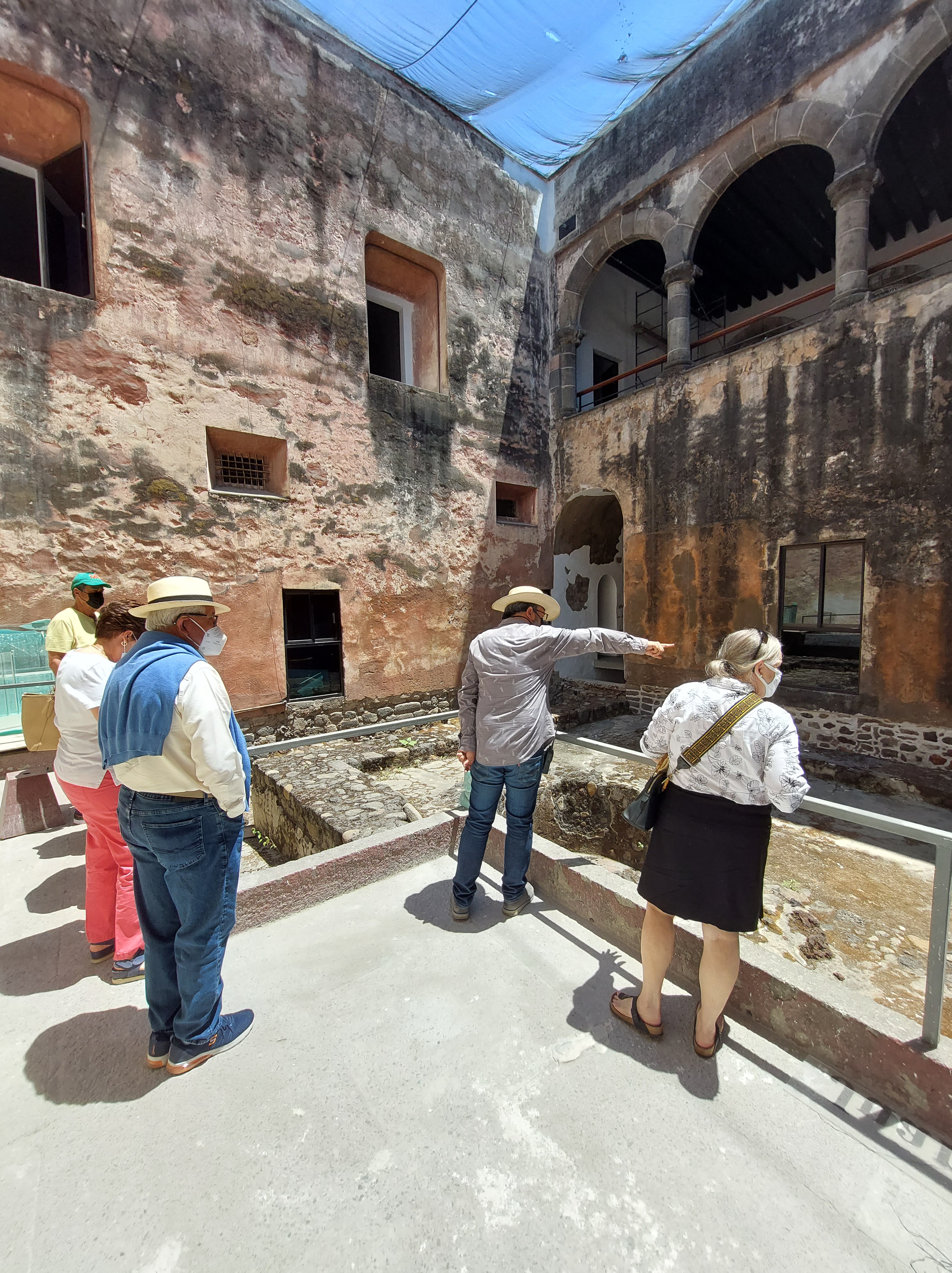


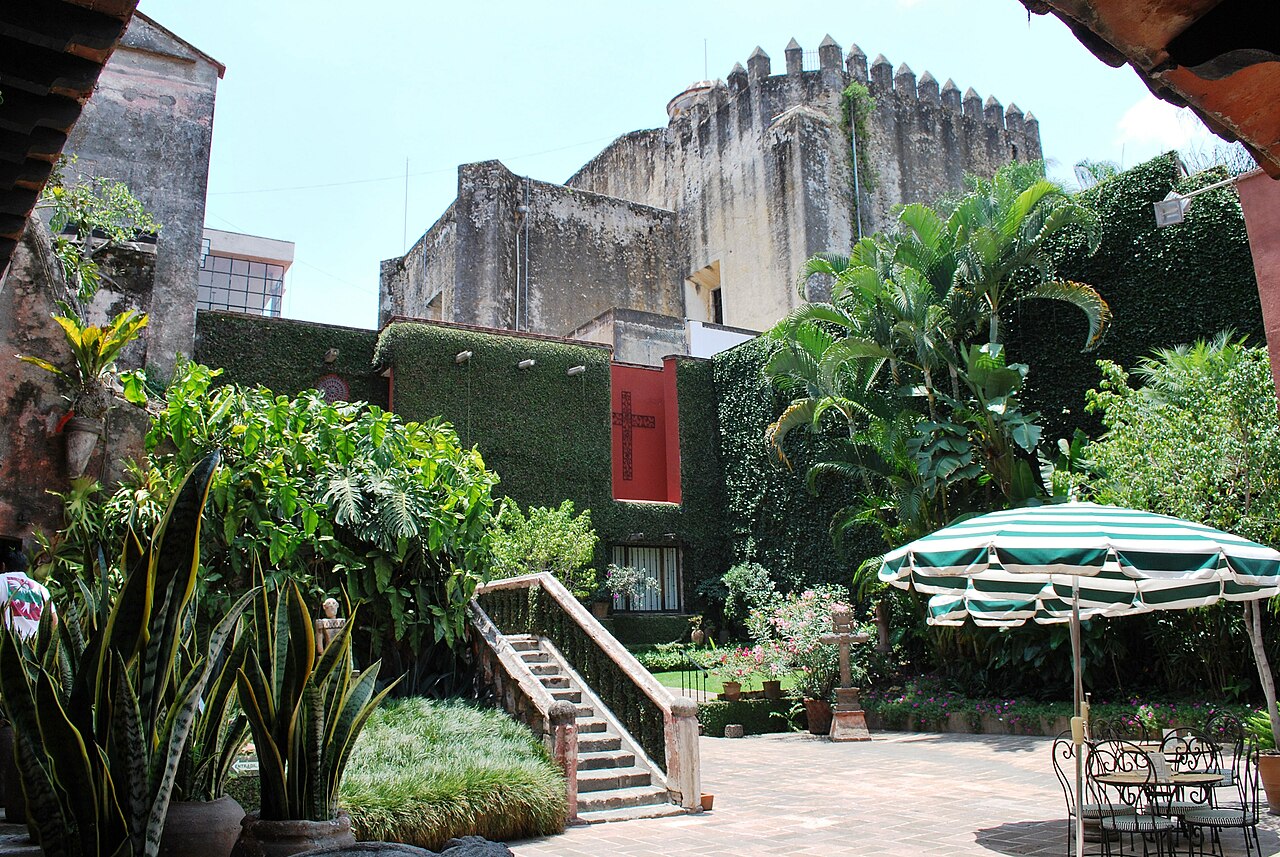
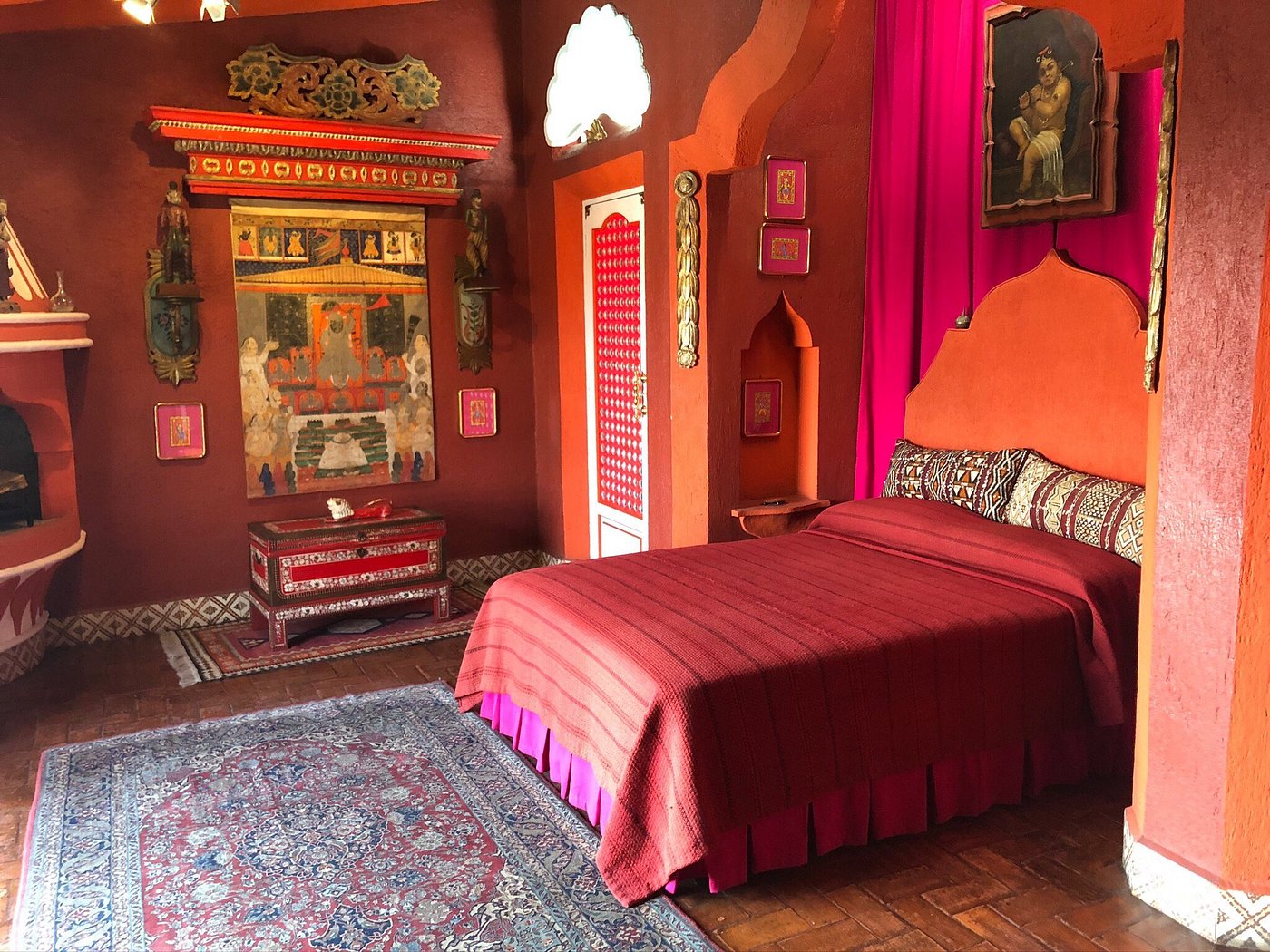
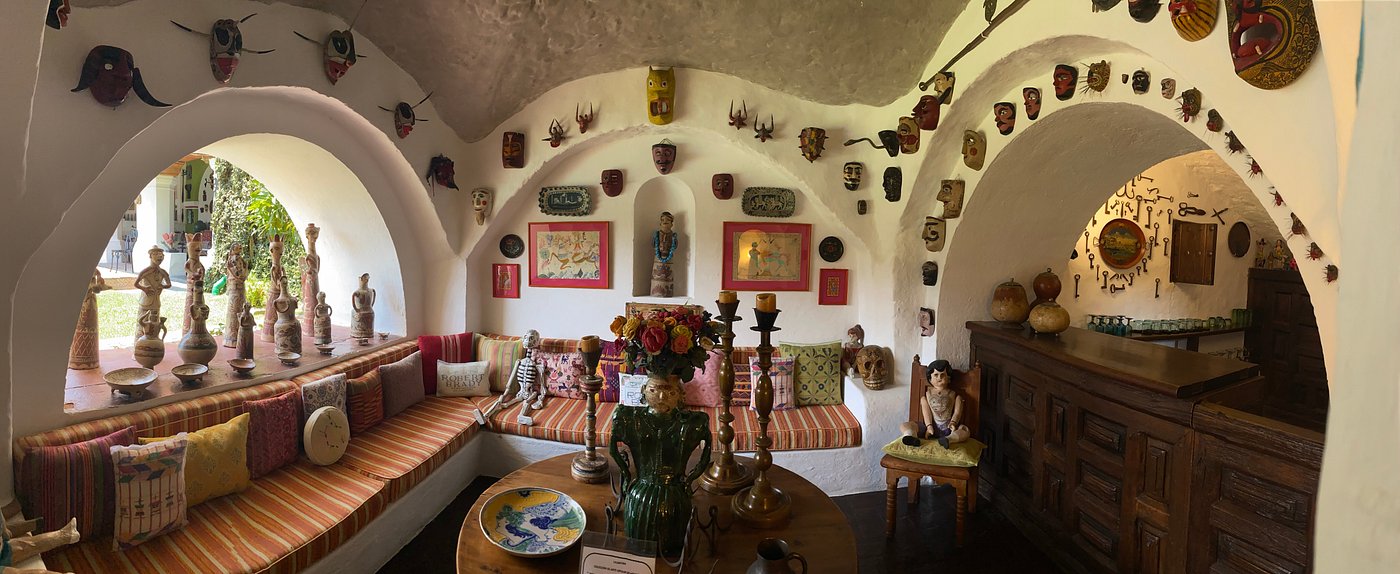
From the Palace, walking west on Calle Hidalgo, at number 228, is the Morelos crafts museum, CRIDA, with many appealing objects for sale. Continuing west on Calle Hidalgo, turn left at the next corner, Calle Netzalhualcoyotl. At number 4 you will find another treasure, the Museo Robert Brady, or Museo Casa de la Torre, formerly the home of artist and collector Robert Brady who died in 1986. The magnificent mansion in a former convent boasts an eclectic collection of more than 1300 works. From the museum, you are only 200 meters from the cathedral where you began. But there are other directions to explore.



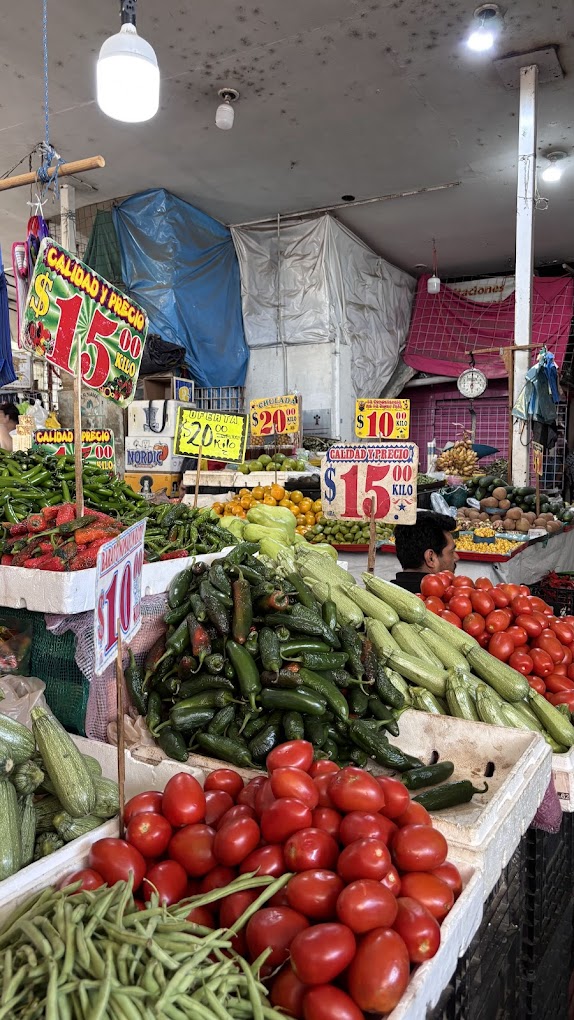
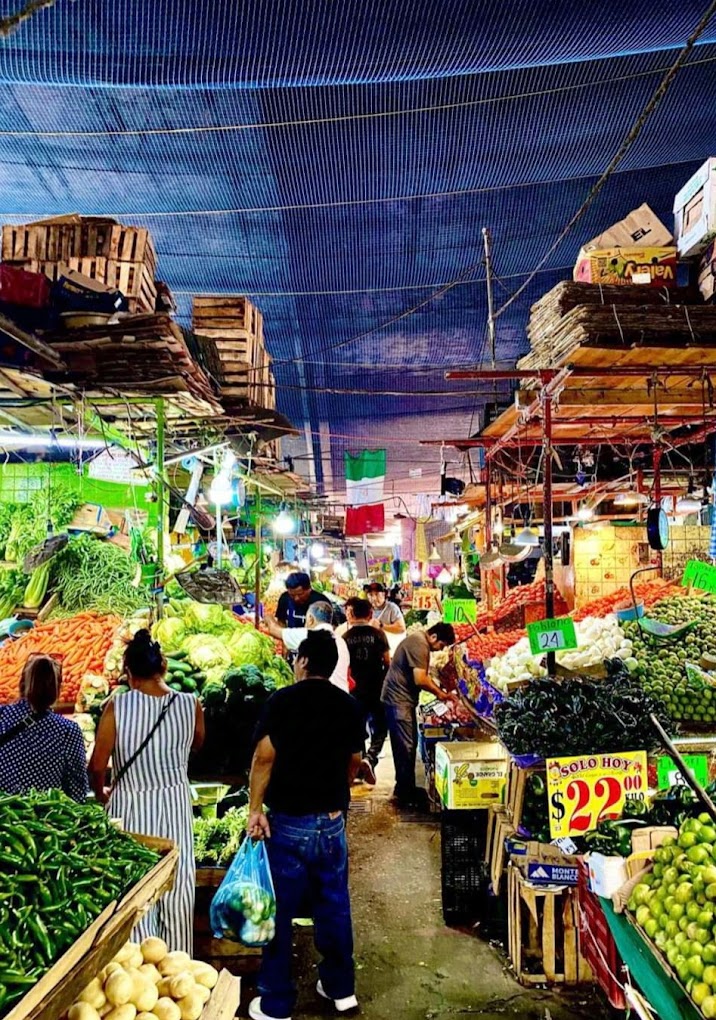
Also accessible from the zocalo on foot is the sprawling public market, or Centro Comercial (Mercado) on López Mateos. The best part is the flower market, hidden on the west side: ask for mercado de flores. Look also for the vendors selling live insects (jumiles) that you can devour raw in a fresh tortilla on the spot, (I don’t) and enjoy the enormous displays of fruits and vegetables. The fresh meat section may turn you into a vegetarian. There is also a leather section with cheap belts and sandals and an area featuring typical clothing. The young boys who accost you want to carry your bags for a small tip.

A short walk from the market south on Lopez Mateos, on the east side at the corner of Calle Gandara, is the Museo Morelense de Arte Contemporáneo Juan Soriano, MMAC, housing the works and private collection of a famous Cuernavaca artist. The permanent collection is not that memorable, but the sculpture garden is stunning.


PARQUE ECOLÓGICO CHAPULTEPEC
Less than two miles from the city center is a lovely park with interesting flora and fauna, and great paths for walking or running. Its almost 30 acres include a small lake for recreation. It opens from 7 am to 10 am for runners, then for the general public from 10 am to 5 pm daily except Monday. Calle Bajada de Chaputltepec 27, Col. Chapultepec.

CULTURE
There is no single source for cultural events in Cuernavaca nor the state of Morelos. The sources of information are all in Spanish, as are most events. English-language programs are offred by Saint Michael & All Angels Episcopal Church, open to the entire community, with many non-denominational participants. See their website, https://saintmichaelcuernavaca.org/ You don’t need Spanish to enjoy music or dance of course. You can google “cartelera de cultura” and add Cuernavaca, Morelos, or other cities. The most prominent venue for cultural events has its own website: centroculturalteopanzolco.com/calendario-de-eventos. See also www.visitmorelos.mx/cultura and search facebook for secretaría de cultura morelos, cartelera de Morelos, and Cartelera Cuernavaca.
CuernaBus operates daily with departures starting at 11 am from the plaza adjacent to the Palacio de Cortés. The circuit takes about one hour, Spanish language only. It operates more frequently during school vacation days and holidays, and may suspend service during slow seasons. It is not a hop-on/hop-off bus.

RESTAURANTS
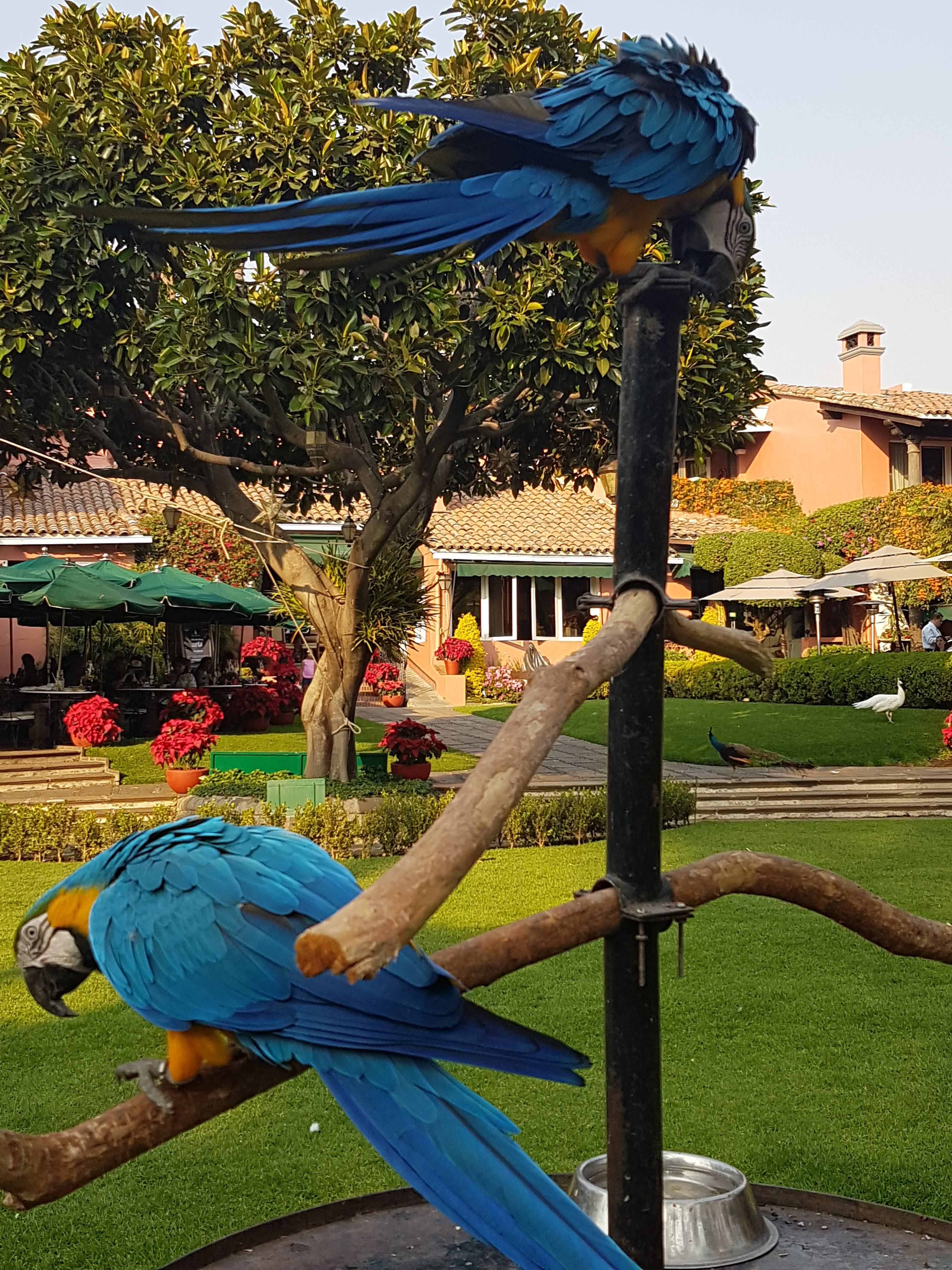
For foodies, Cuernavaca boasts several world-class restaurants with gourmet meals in alfresco settings and an abundance of fine bistros where one can dine outdoors all year round. Taco stands abound throughout the city. Scores of family restaurants offer a three-course lunch with a fruit drink for under five dollars. My gourmand tastes draw me to restaurants like Las Mañanitas, one of the most renowned restaurants in the Republic. It offers simple dishes like enchiladas or extravagant fare like lobster bisque and oysters Rockefeller in a spectacular garden with strolling peacocks and scarlet macaws. At La Provence, chef Pascal serves authentic French and international dishes like Coq au Vin, Osso Bucco, or Chateaubriand. Roof-top Kookaburra has charm in addition to the city’s best roast duck, barbecue ribs, and coconut shrimp. Hotel Restaurant Gusto and Pixca are also gourmet restaurants with beautiful gardens. You can find others with an online search for the food of your choice. The weekend brunch at Club de Golf Tabachines includes a stunning view of the flowering trees in the golf course, or one can sample an enormous breakfast buffet at the stunning Ex-Hacienda de Cortes. With the U.S. dollar at one of its highest exchange rates against the peso, it’s hard to imagine where one can dine so luxuriously and so reasonably.
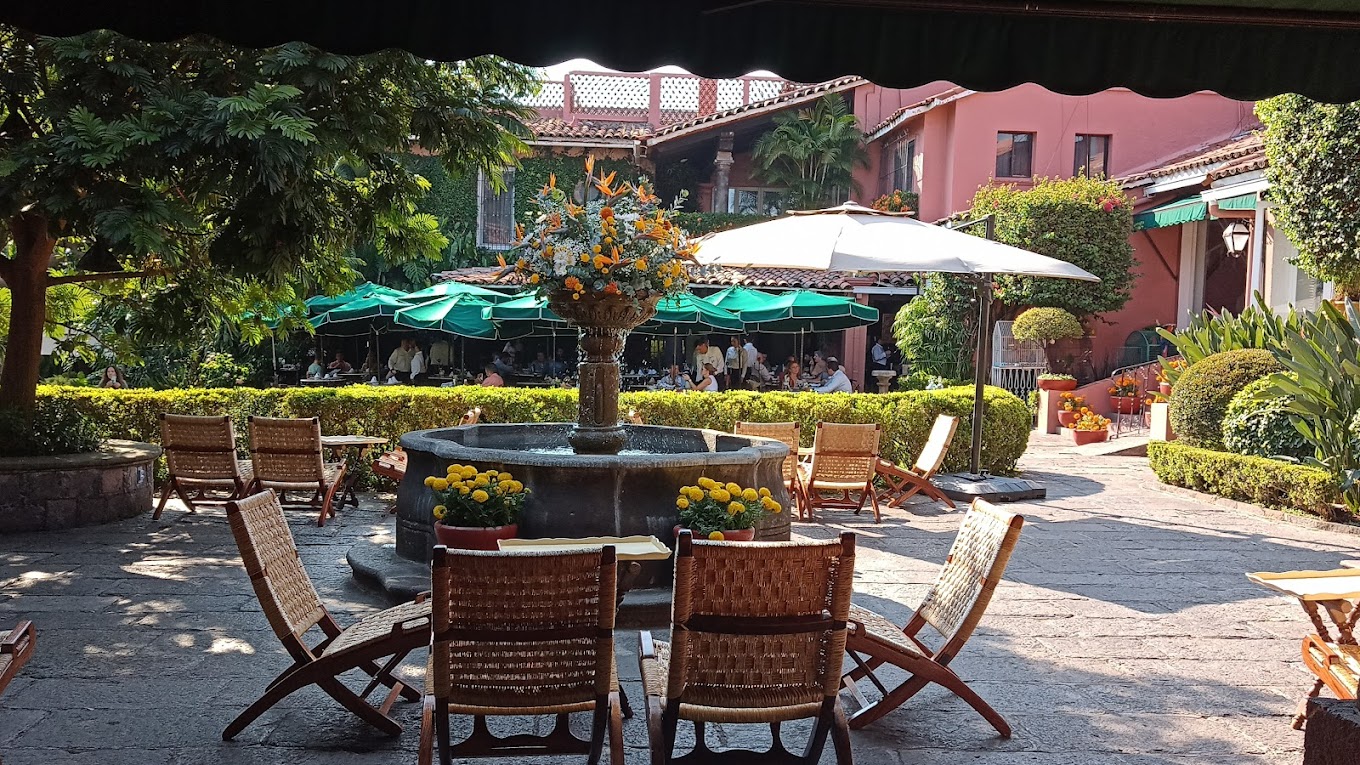
photo courtesy of its website.
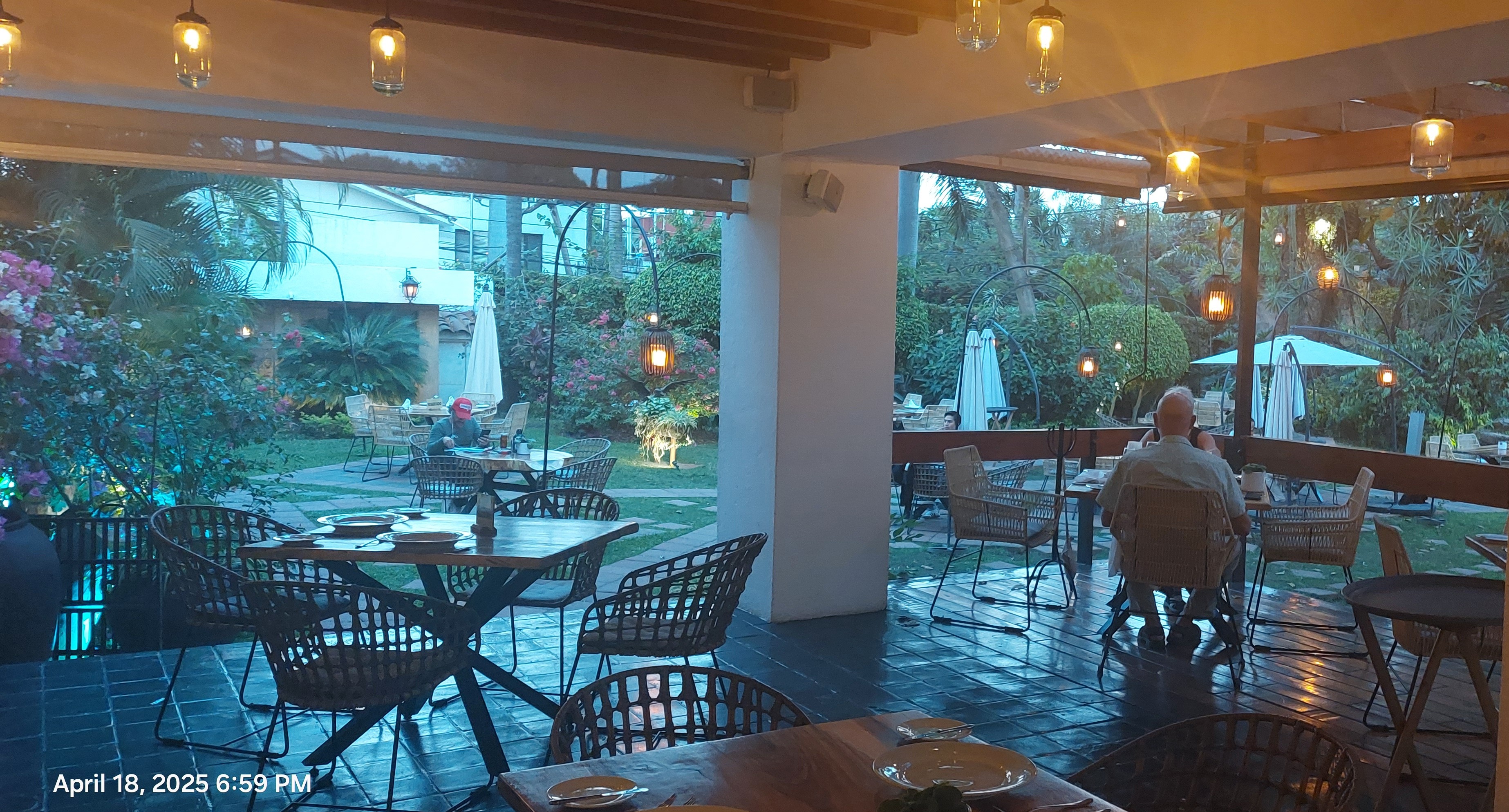
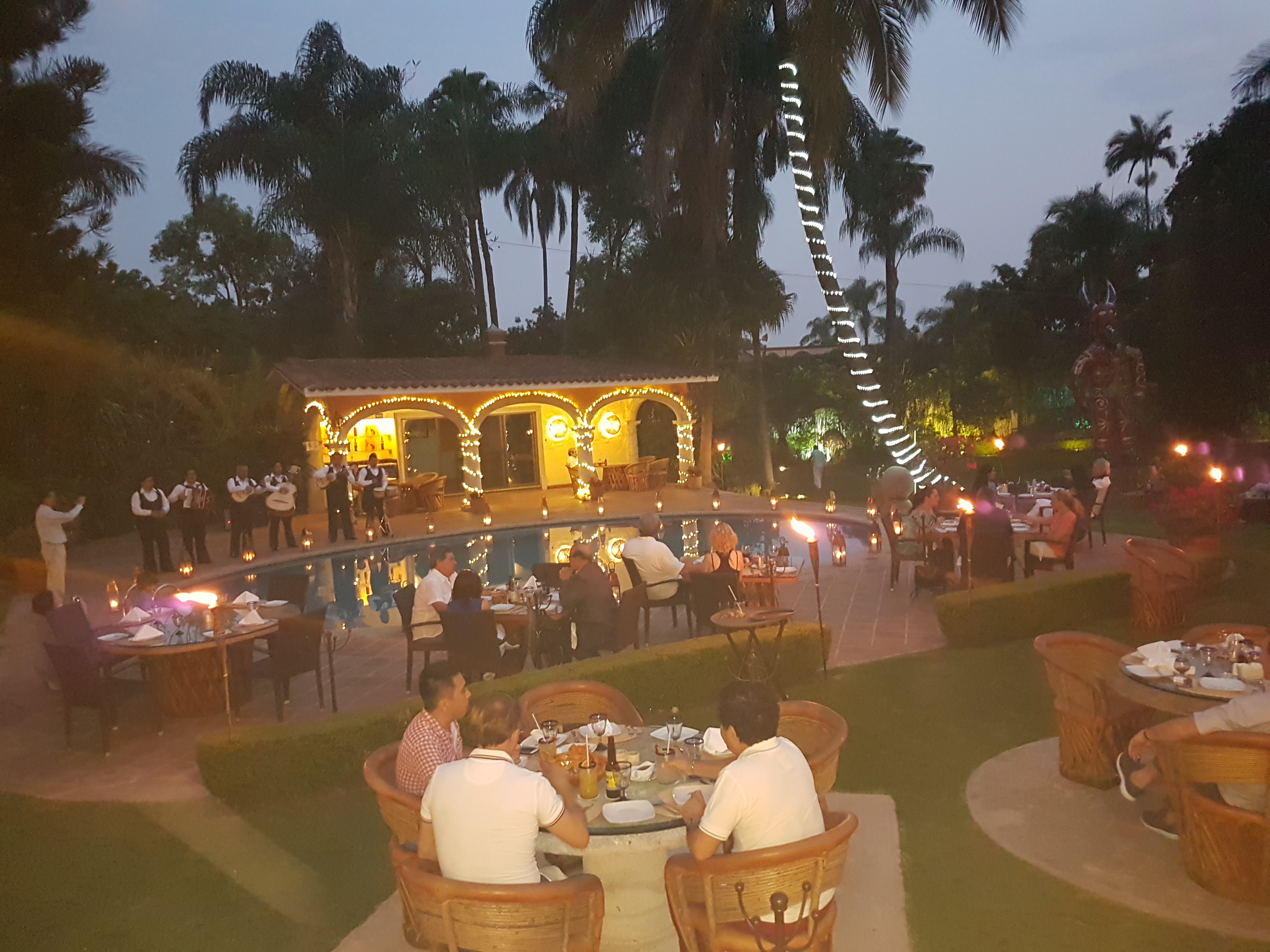

photo courtesy of its website.


EXCURSIONS & DAY TRIPS
In addition to the wealth of tourist delights in the city itself, few cities in the Republic can boast such a splendid diversity of attractions in an easy day trip. There is excellent public bus service to principal places in Morelos. You can also hire a car and driver, bargain with a taxi driver (fifteen to twenty dollars an hour), or rent a car.
JARDINES DE MÉXICO
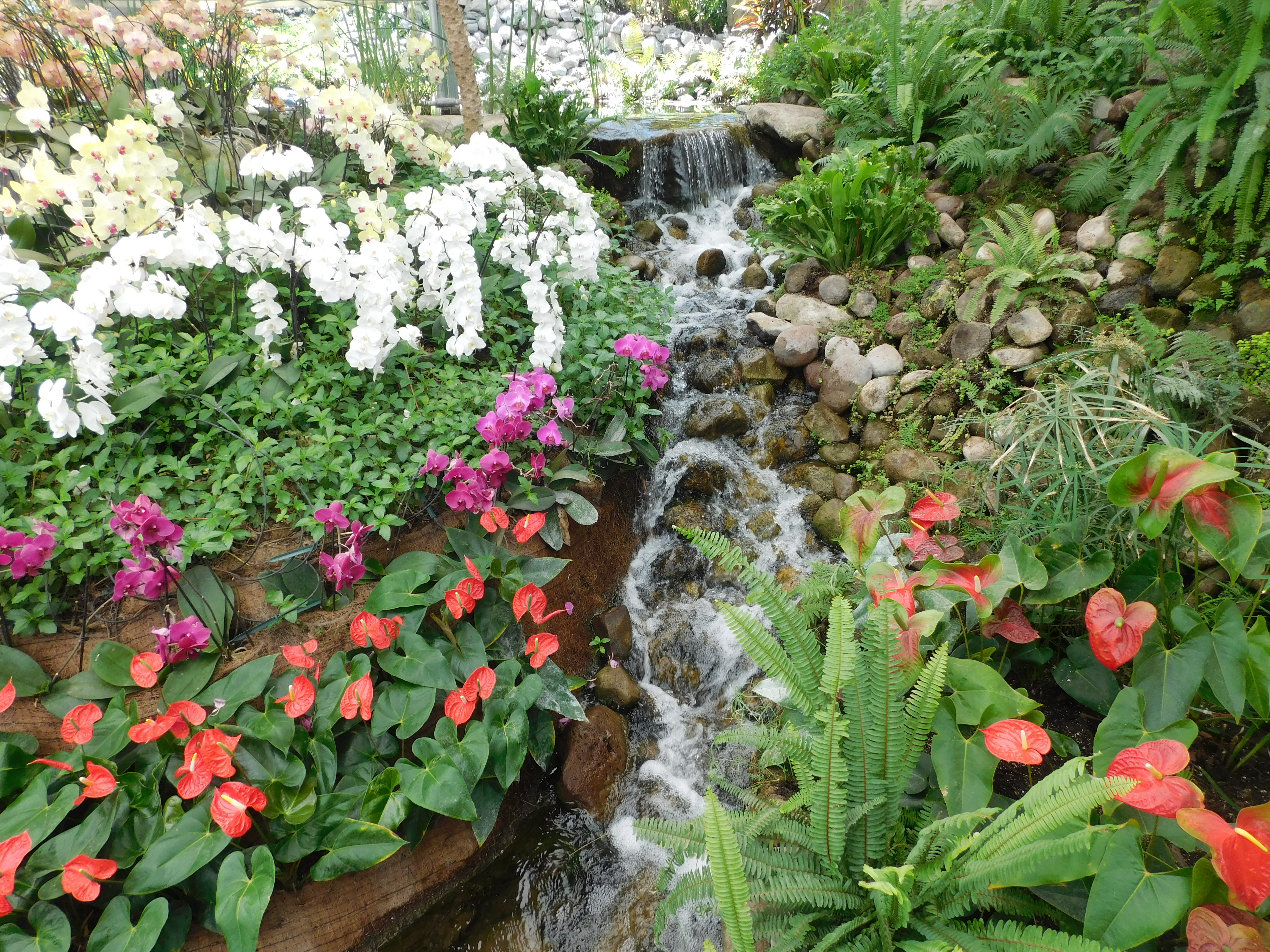
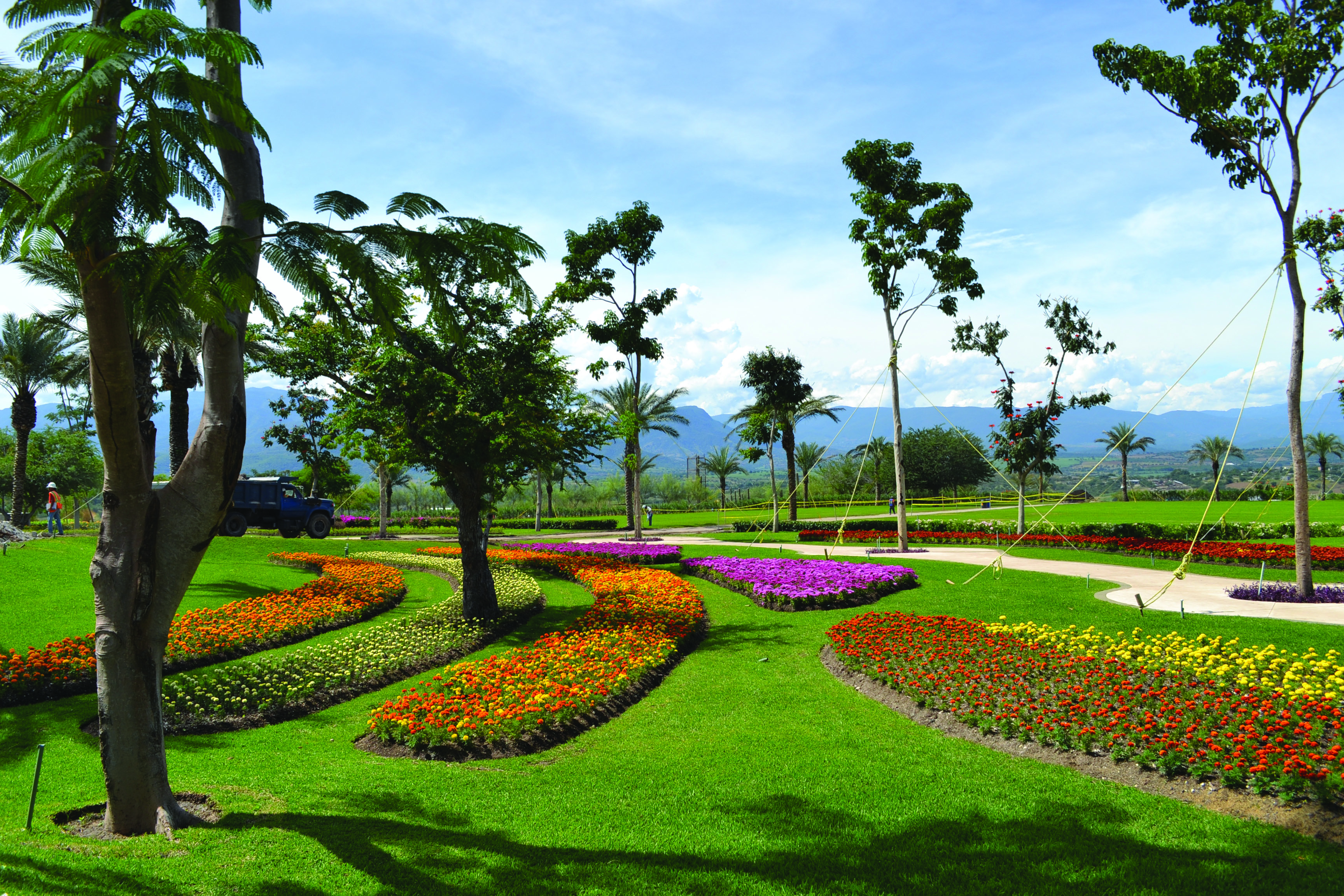
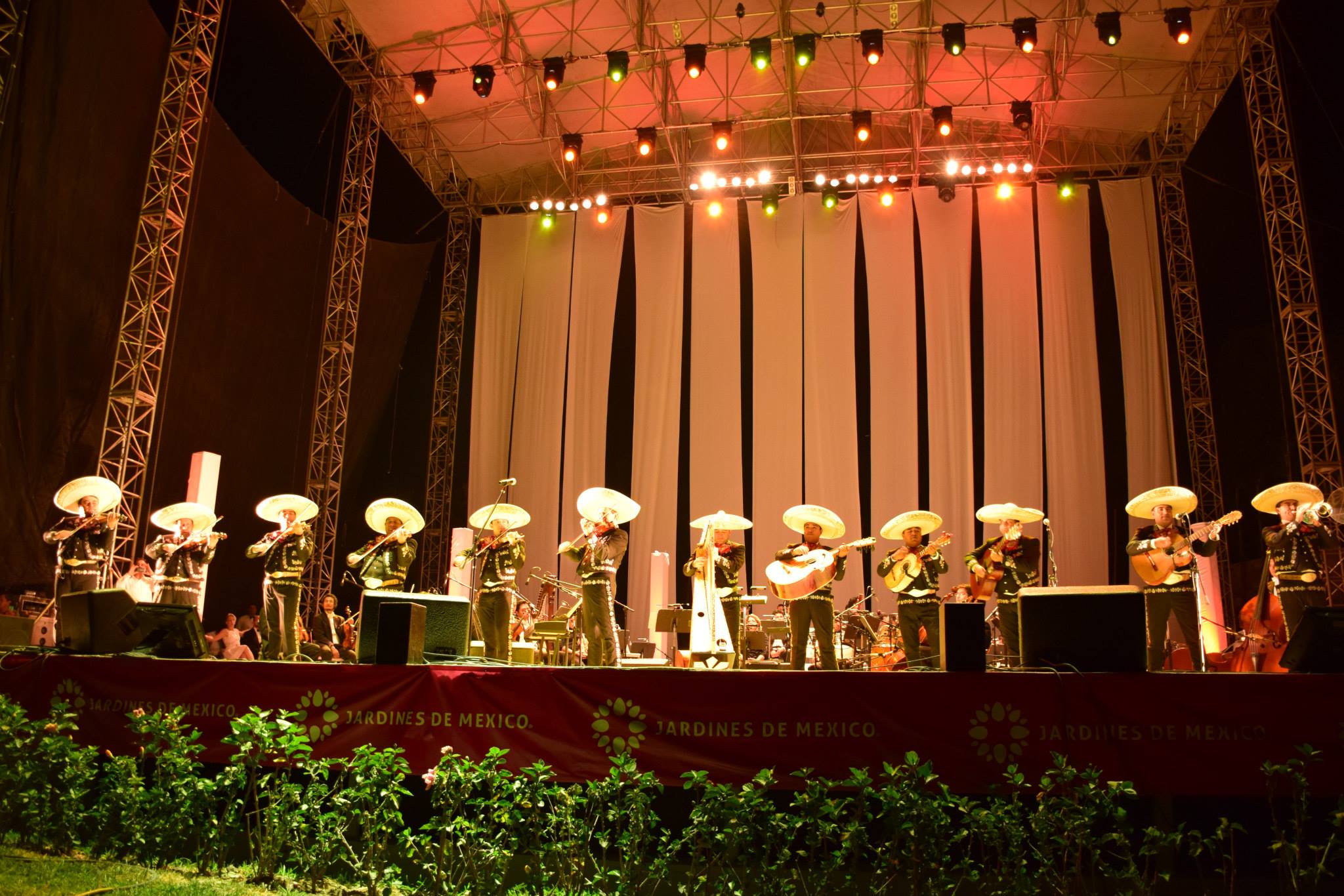
Along with the pre-Hispanic ruins of Xochicalco, the most spectacular excursion in the state is just twenty minutes south of Cuernavaca, one of the largest and most biodiverse flower gardens in the world, spread over almost 250 acres with 125 acres in plantings. The famous Keukenhof garden in Holland is only 80 acres and, due to Morelos’ perfect climate, these never close seasonally. The diverse theme gardens include Japanese, Italian, Cactus, Tropical, Four Springs (seasonal changes), a floral fan, an orchidarium, and a sensational sculpture garden. The scenic restaurant offers a moderately-priced a la carte menu weekdays and a lavish buffet on weekends. A children’s center features interactive activities to entertain youngsters. There is an art gallery, a souvenir shop, and an arena for concerts and cultural events. Sadly, there is no direct public transportation. If driving, take the Autopista del Sol toward Acapulco. The exit for the gardens is ten kilometers after the first toll barrier. You can take a public bus from Pullman de Morelos centro to Jojutla and a taxi from there, but you would have to be sure the taxi will return for you at a set hour or pay for the driver to wait. For details on hours, admission fees, directions, and special events, see the garden’s website or its facebook page. https://www.jardinesdemexico.com.

Jardines de México, from the garden website.


XOCHICALCO:
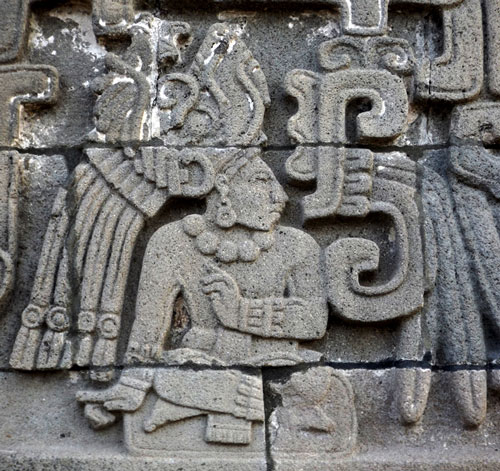
It is worth the trip to Cuernavaca just to view these magnificent ruins 45 minutes by car southwest of the city. The culture, a contemporary of the Toltec empire at Tula, flourished from 650 to 900 AD. The ruins atop a high hill command a spectacular view of the Valley of Morelos. Before entering the acropolis, stop at the beautiful museum that opened in 1996 to buy your ticket and orient yourself. There are clean rest rooms there and also at the exit from the ruins. Be sure to carry lots of water. At the acropolis, be sure to see the ritual steam bath, the polychromed temple, and the magnificent temple of Quetzalcoatl whose bas-reliefs are among the most beautiful in Mexico. The observatory can be reached by entering a cave to the west of the ball court, but it has been closed since the 2017 earthquake. One can take a Pullman bus from centro to Alpuyeca and take a taxi from there to the ruins. An occasional ruta leaves the mercado and passes by the ruins but the schedule is unavailable.


BATHING RESORTS
Such a warm climate so far from the coast gives purpose to dozens of bathing resorts in the state of Morelos. Some have modern pools, some use ancient aqueducts, and others utilize clear rivers or natural lakes. You can find directions, hours, and entry-fees online. The most popular resorts are listed below. For others, just google “balnearios de Morelos.”
El Rollo: Perhaps the best known of the aquatic parks, this family-oriented venue is located in Tlaquiltenango. It has numerous aquatic adventures and family-style hotel rooms. https://elrollo.com.mx.
Ex-Hacienda de Temixco (Carretera Federal Mexico-Acapulco km 85, tel. 777 325 0355). The closest to Cuernavaca of the bathing resorts, it’s located on the old highway to Acapulco, not the autopista. https://www.temixco.com.mx.
Ixtapán de la Sal in the state of Guerrero is a two-hour drive from Cuernavaca; follow the signs on the autopista to Taxco or on the federal highway past Chalma. There are several outdoor pools, an indoor thermal pool with mineral waters, private hot tubs, and a water slide. Adjacent to the inexpensive Balneario Municipal is the Hotel Ixtapan spa for overnight stays. www.hotelixtapan.com
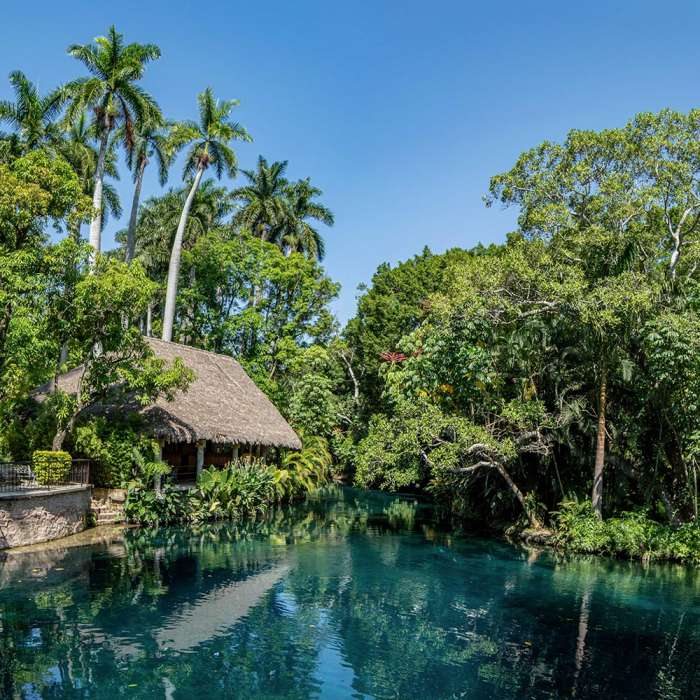
Las Estacas, an hour southeast of Cuernavaca, has a tropical jungle setting, a crystal-clear fast-moving stream for swimmers, and inflatable rafts. Take along repellent for the biting insects that sometimes infest the grassy areas. There is a restaurant or you can pack a lunch (Bus: Pullman de Morelos Centro to Jojutla where there are rutas. https://lasestacas.com.
Lake Tequesquitengo is off the highway to Acapulco about 40 minutes south of Cuernavaca. Hotels and water-sports clubs abound offering swimming and water-skiing (Bus: Mexico-Zacatepec.) The area is being redeveloped with new attractions making a web search worthwhile

courtesy of its website.

courtesy of its website
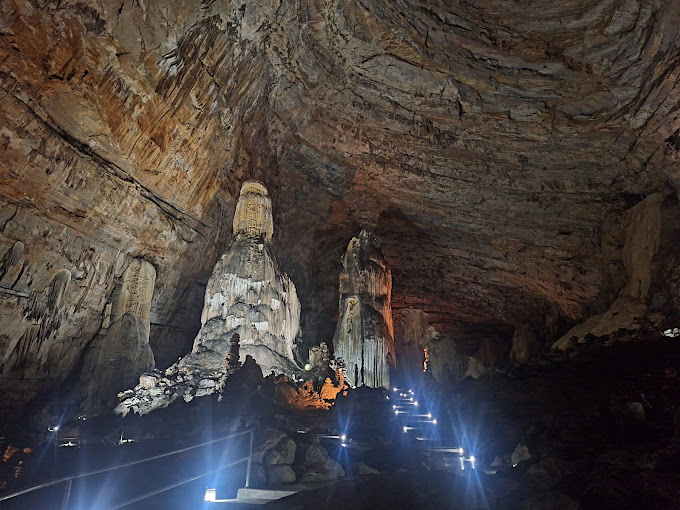
CAVERNS: On the road to Ixtapán de la Sal, the bus passes by Las Grutas de Cacahuamilpa, cathedral-like caverns with interesting rock formations and imaginative lighting. Tours take place on the hour in Spanish only. You can bet the guide will find a Virgin of Guadalupe among the stalagmites. (Bus: Pullman de Morelos Centro).

HACIENDAS: Morelos once had about 800 haciendas, mostly producing sugar cane. Many were destroyed by Zapatista armies during the Mexican Revolution of 1910. Some paid bribes to be left in peace. Most estates deteriorated as land reform destroyed their economy. Several have been well preserved and restored as resort hotels, making great venues for vacationers and weekenders. The most popular are listed below.
Ex-Hacienda de Cortés: Founded in 1530 as San Antonio de Atlacomulco, this was the sugar estate of the conquistador and now a charming hotel with beautiful gardens and a lovely restaurant. One of Diego Rivera’s murals in the palace depicts Cortés lounging in a hammock while his overseers abuse the peons. It’s the closest drive from the city for a delightful lunch in a lavish garden.


Hacienda Cocoyoc is a beautiful resort hotel and spa in a restored 16th-century hacienda. The combination of ancient aqueducts and modern pools, restful gardens, and a remarkably inexpensive restaurant is quite agreeable. It’s a great place for family reunions and conventions with large swimming pools, a golf course, and a spa. Butch Cassidy and the Sundance Kid (1969) was filmed nearby and the cast stayed in the hacienda which has also furnished scenes for other films. www.cocoyoc.com.mx
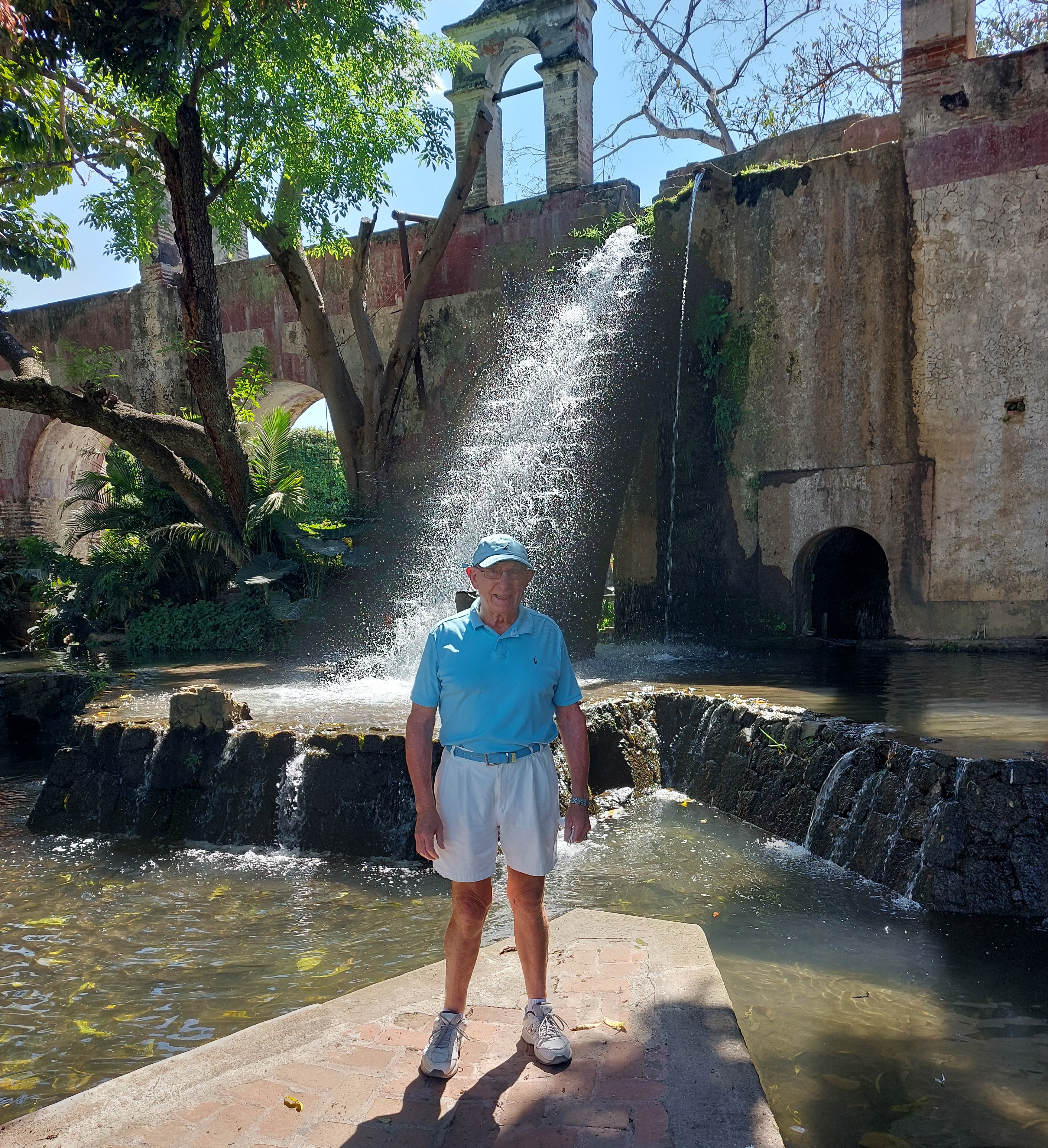
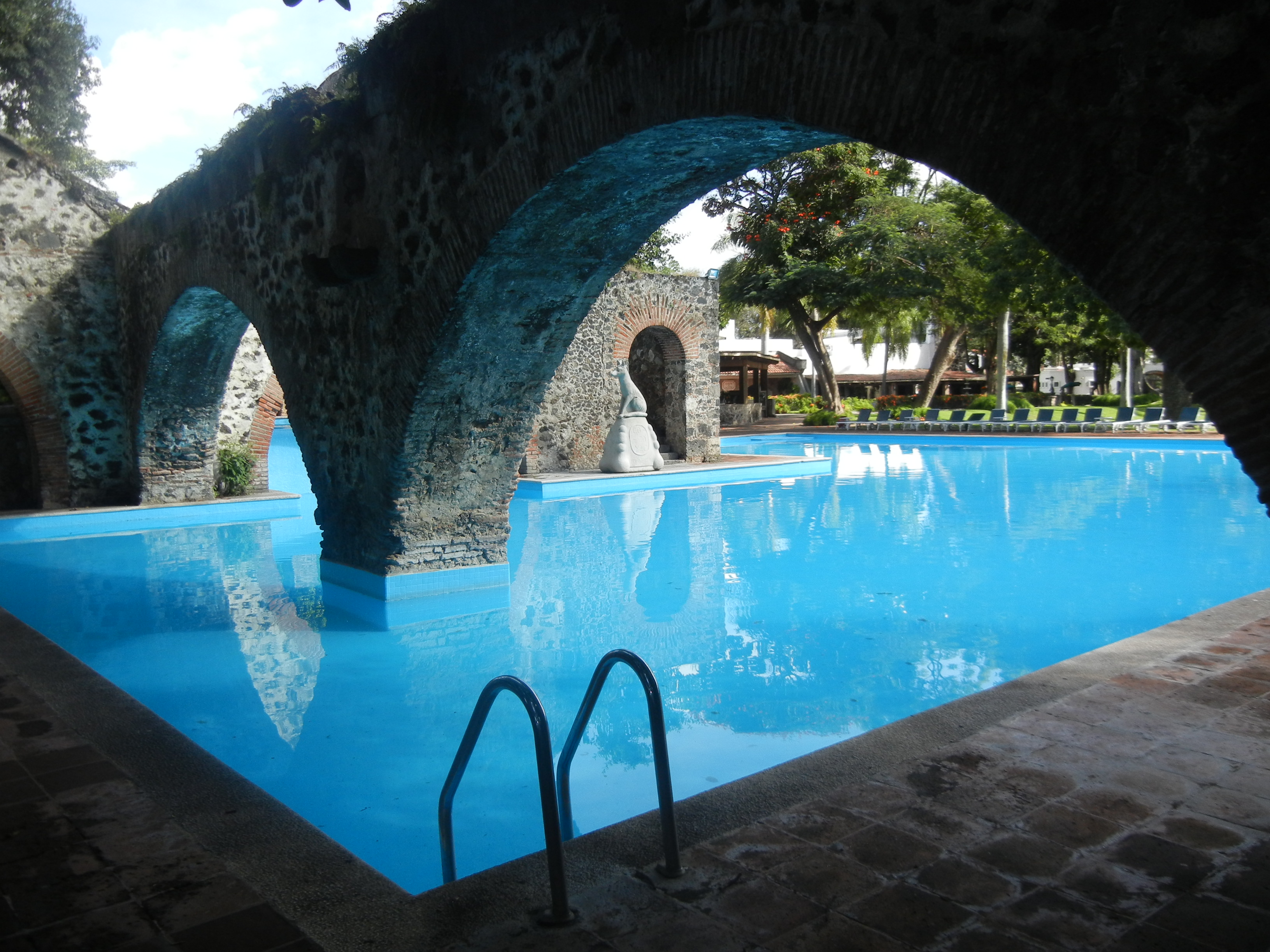

Hacienda San Gabriel de las Palmas: This beautiful property began as a grant from Cortés for the construction of a Franciscan monastery in1529. For unknown reasons the friars abandoned it in 1558 and it became a sugar estate. Emiliano Zapata used it as a barracks during the Mexican Revolution. Later it was acquired by a wealthy family and turned into a resort hotel with 20 deluxe rooms, a good restaurant, a large swimming pool, and a spa. It’s located near Puente de Ixtla off the road to Taxco. www.haciendasangabriel.com.
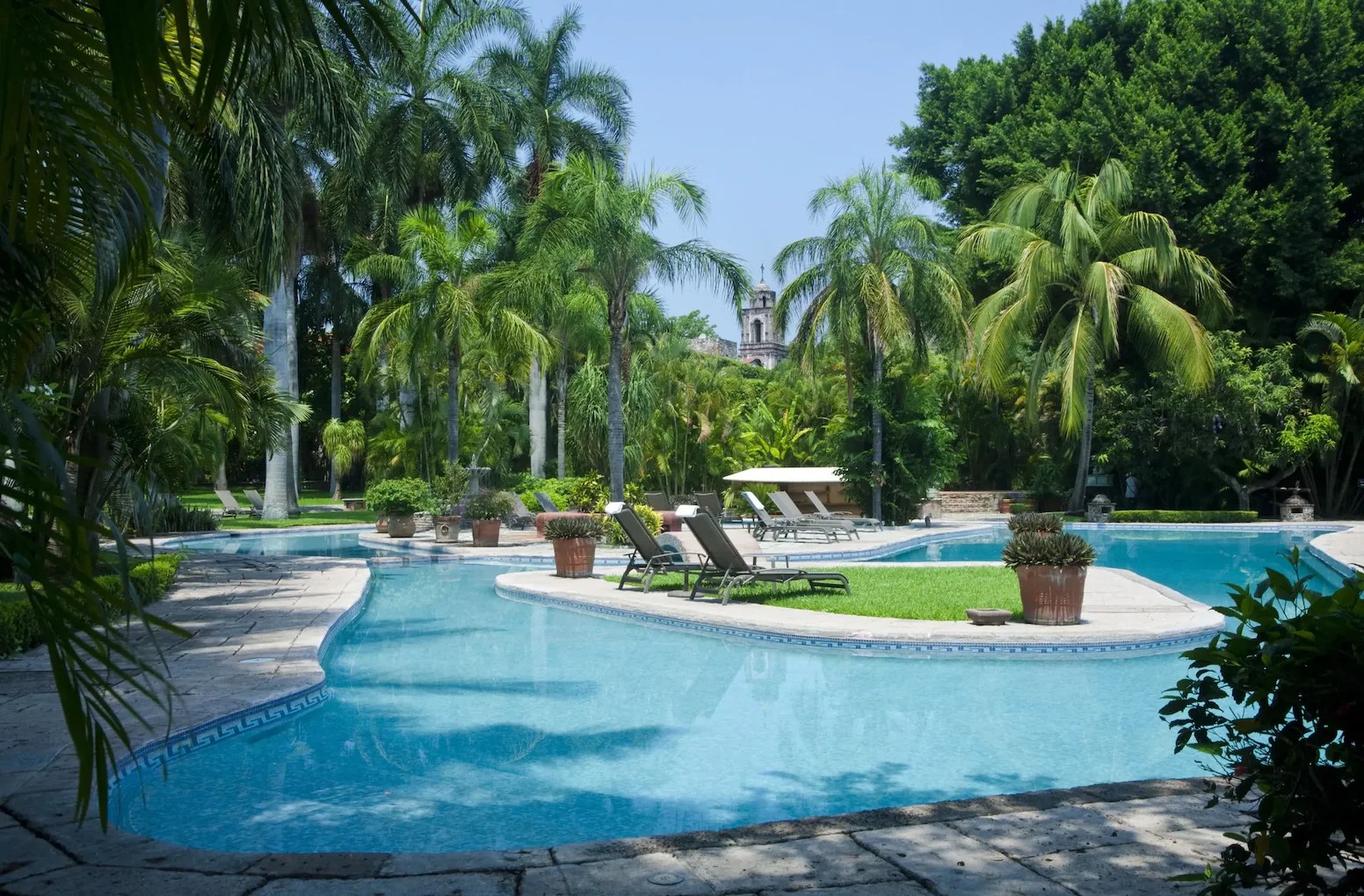
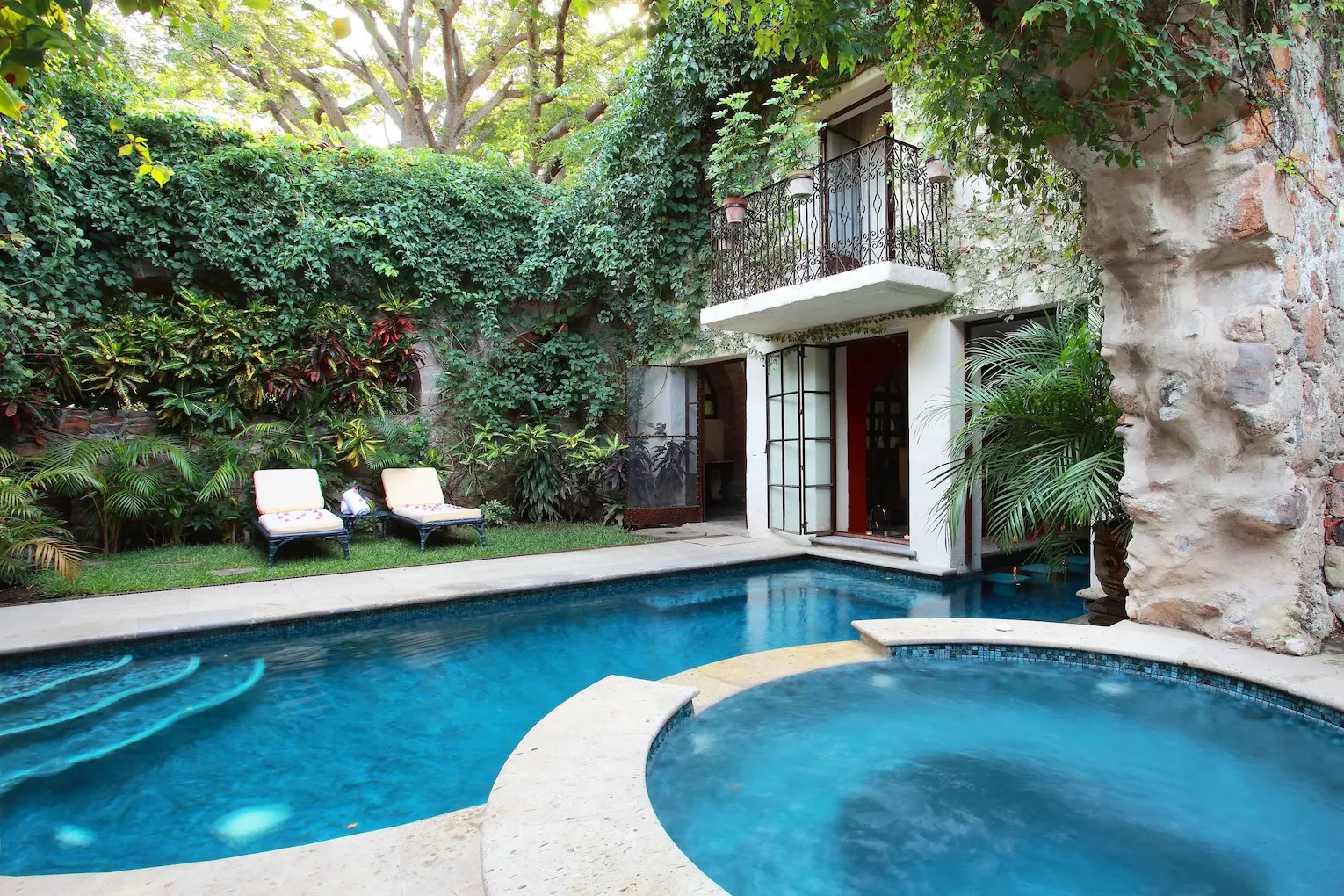

Hacienda San Antonio El Puente: this 18th century hacienda specialized in agriculture and cattle-raising, producing food rather than sugar cane. It features lovely rooms, a restaurant/bar, and a spa. It is a hotel in the Fiesta Americana chain, and only 15 minutes from Cuernavaca. www.fiesta-americana-hacienda-san-antonio-el-puente-cuernavaca.
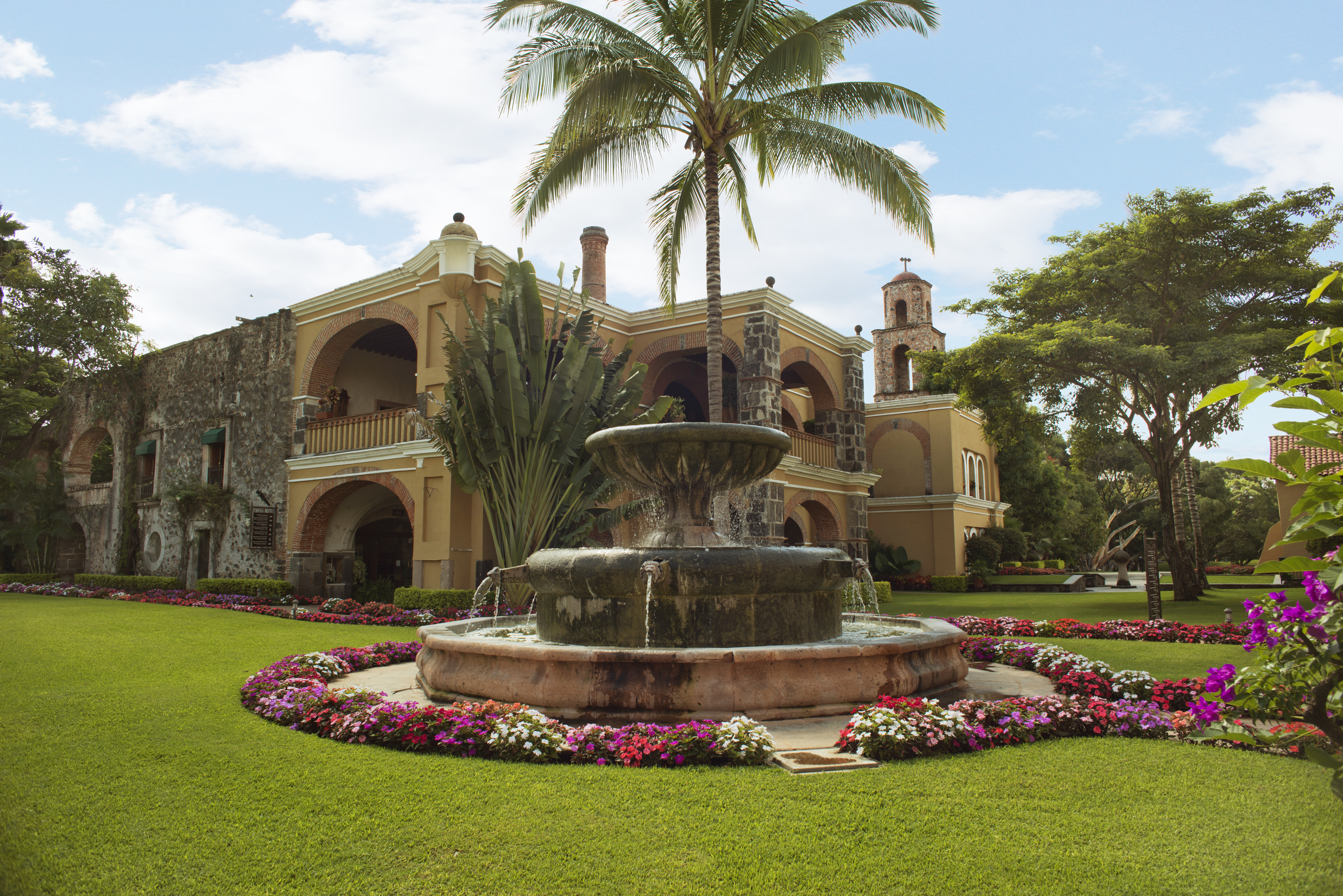


CONVENTOS: Mexicans use the word convento rather than monasterio for houses of both nuns and friars. Morelos has a rich religious heritage with 16th century convents of various religious orders scattered throughout the state. Many conventos suffered severe damage by the earthquake of 2017 and have not yet reopened. Just do a web search for “Conventos Morelos.” Some of the better-known sites can be found at https://visitmorelos.mx/experiencias/general/ruta-de-los-conventos.
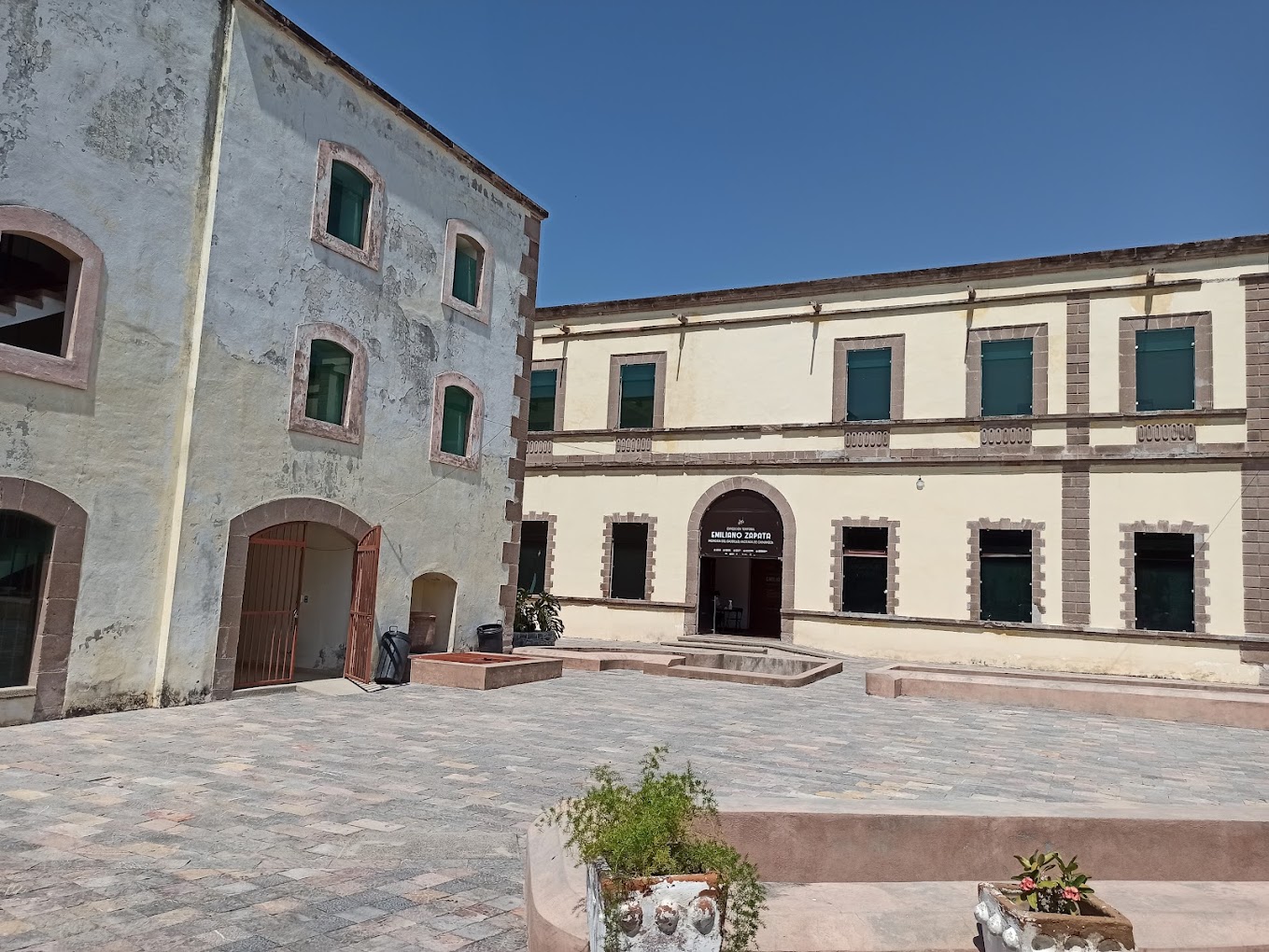
RUTA DE ZAPATA: Another interesting tourist route traces the life of Emiliano Zapata from his birthplace through cities important in his life and battles. See https://visitmorelos.mx/experiencias/general/conoce-la-ruta-zapata.

Google Photo
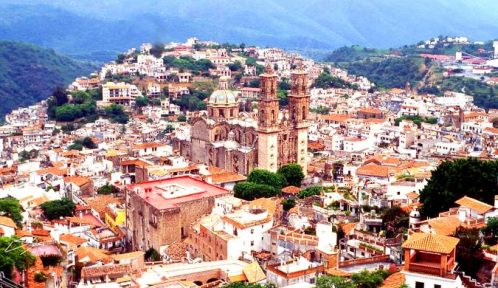
TAXCO: This lovely UNESCO World Heritage site is a 90-minute drive from Cuernavaca, two hours by bus. It’s actually in the state of Guerrero, but it’s one of the most popular day trips from the city. One can over work the term charming, but it fits here, with its cobbled streets, quaint colonial architecture, and scores of silver shops. The Church of Santa Prisca, a superb example of Mexican baroque architecture, was built by José de la Borda in the 1750s in thanksgiving for his great silver discoveries. The Holy Week pageant draws thousands.

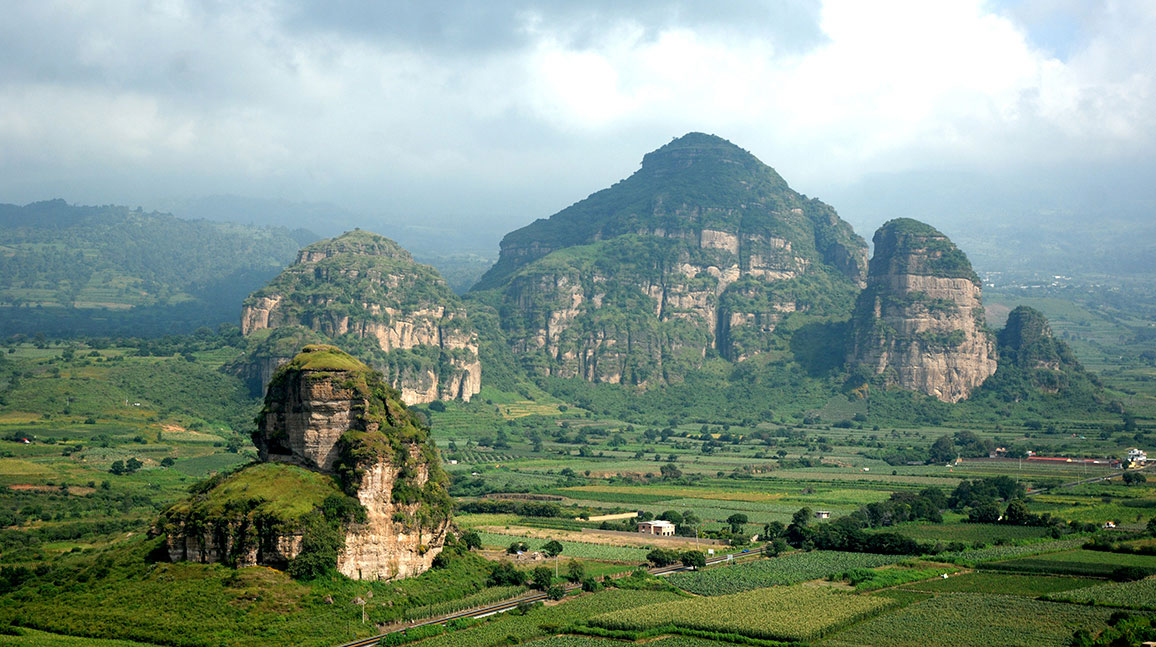
TEPOZTLÁN: This pueblo mágico (a designation awarded by the national Secretaría de Turismo) is just a half-hour drive east of Cuernavaca, longer by public bus. It is beginning to lose its sleepy character as Mexico City residents take advantage of real-estate bargains. The Dominican Church of the Nativity of Mary and the adjoining convent date from the mid-16th century. The rooms and murals in the convent are being restored by the excellent work of INAH. A popular hike is the 90-minute climb to the mountain-top Tepozteco pyramid built by the Tlahuica culture. There is a small archaeology museum behind the church and a small history museum in the convent. On market days,Wednesday, Saturday, and Sunday, handicraft vendors set up numerous stalls on the streets near the church. Sunday traffic is abominable. It’s very popular for a weekend lunch, with numerous restaurants you can find online.


TLAYACAPAN: Another pueblo mágico, this small village is famous for inexpensive but mostly mediocre pottery and the 16th century Augustinian convent, San Juan Bautista, still undergoing repairs from the 2017 quake. It is one of the stops on la ruta de los conventos. There is a turn-off from the Cuernavaca-Cuautla autopista, not far from Tepoztlán. Bus from the public market. (The convent has not reopened as of this writing).
A google photo.

A google photo.
ACCOMMODATIONS
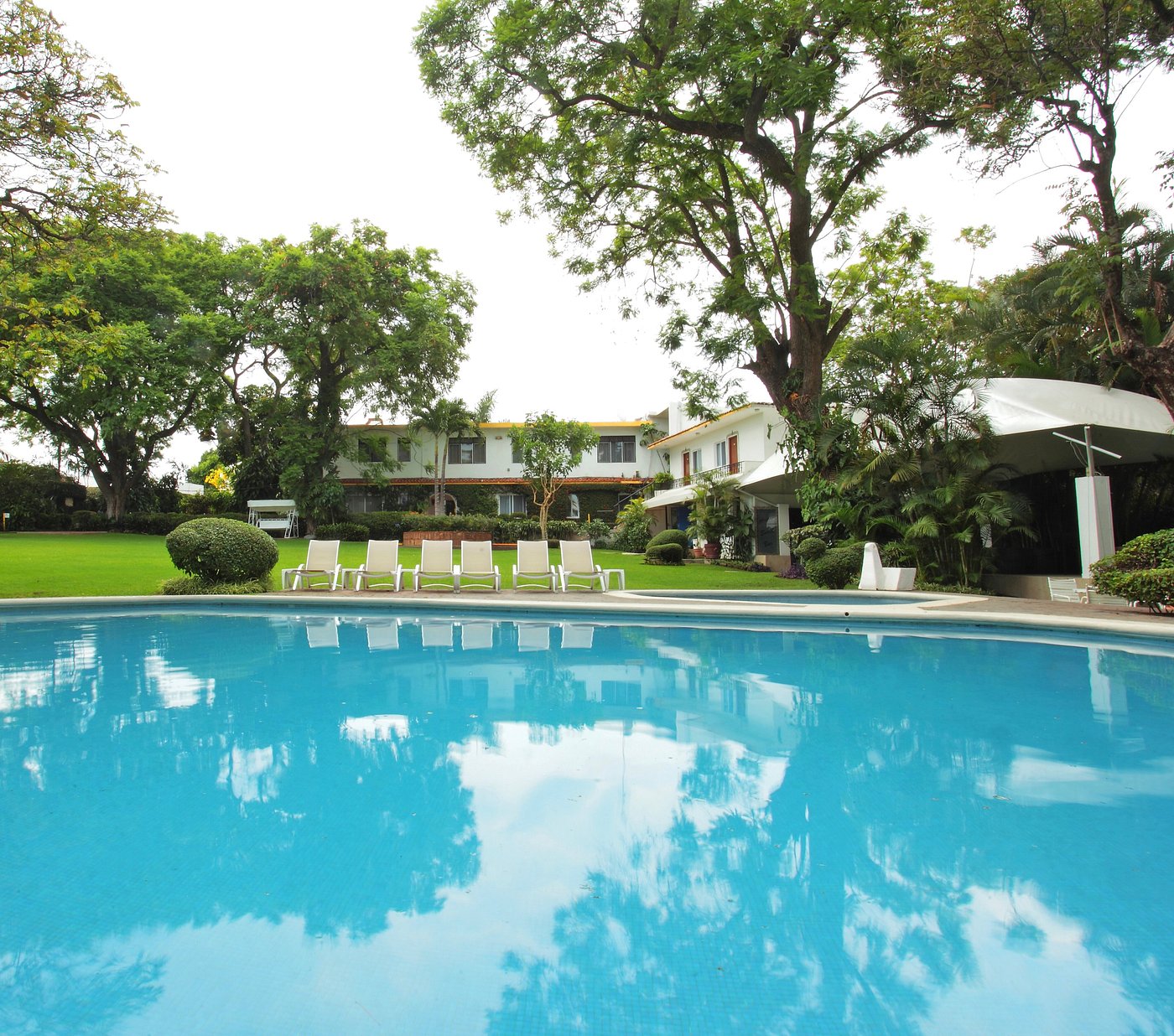
Experienced travelers know the multiple web sites for hotel or apartment booking like Booking.com, Airbnb, VRBO, Tripadvisor, Trivago, Expedia, and more. One can find Relais & Chateaux luxury to humble hostels where the only amenity is wall to wall floors. For upscale lodging, I recommend Las Mañanitas Hotel Garden Restaurant & Spa (Lasmananitas.com). For comfortable lodging in a family-owned posada with the best value for price, I recommend four-star Quinta Las Flores, a mile south of city center with a heated pool, lovely garden, and a tasty breakfast included (Quintalasflores.com). For young lovers and those cheating on their spouses, there are numerous hoteles de paso that charge by the hour.
LANGUAGE SCHOOLS
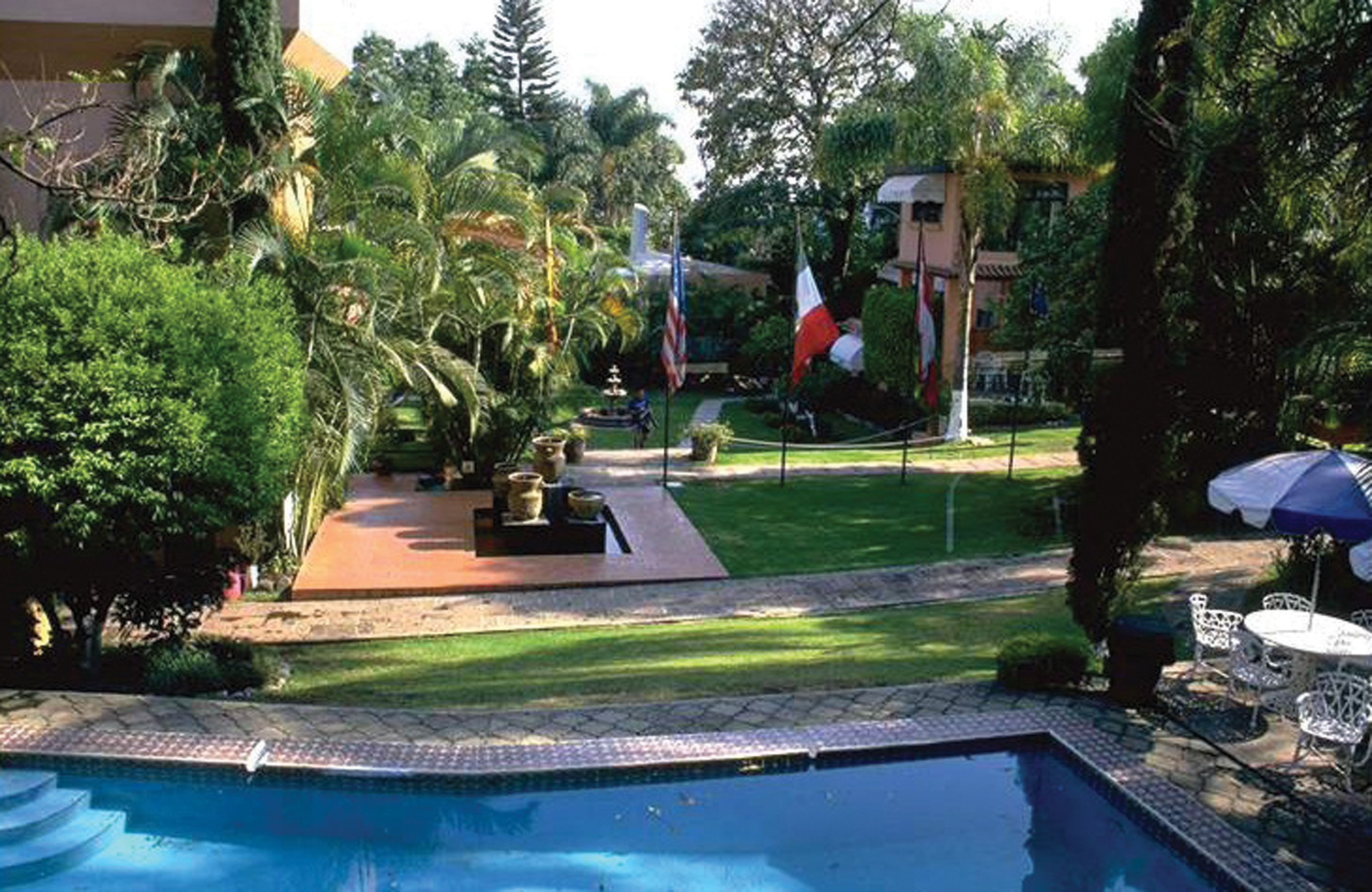
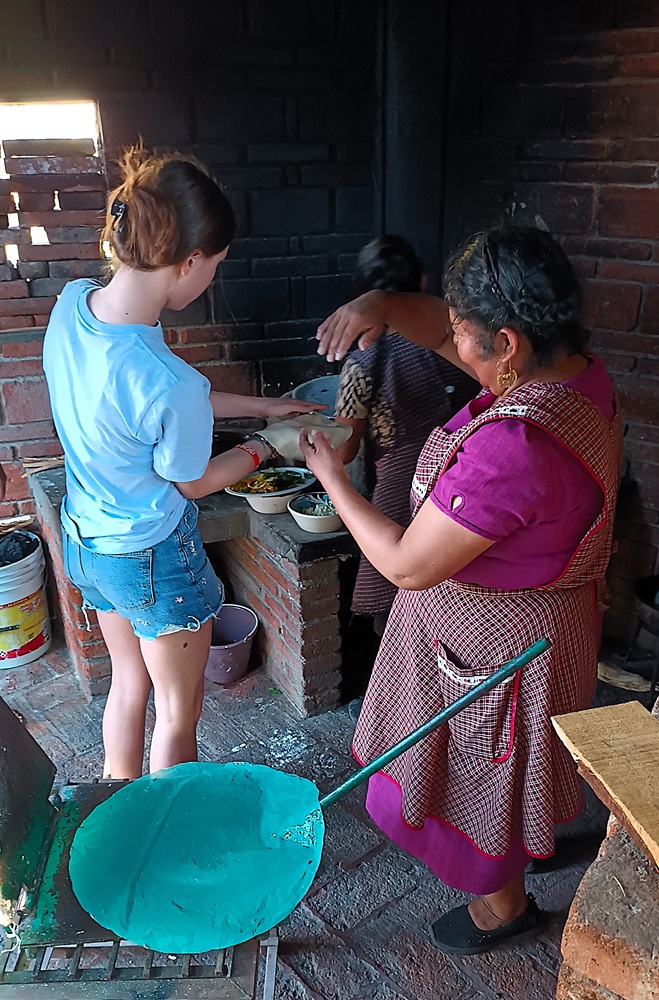
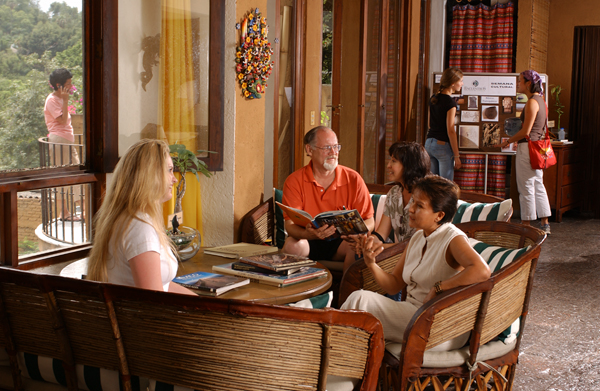
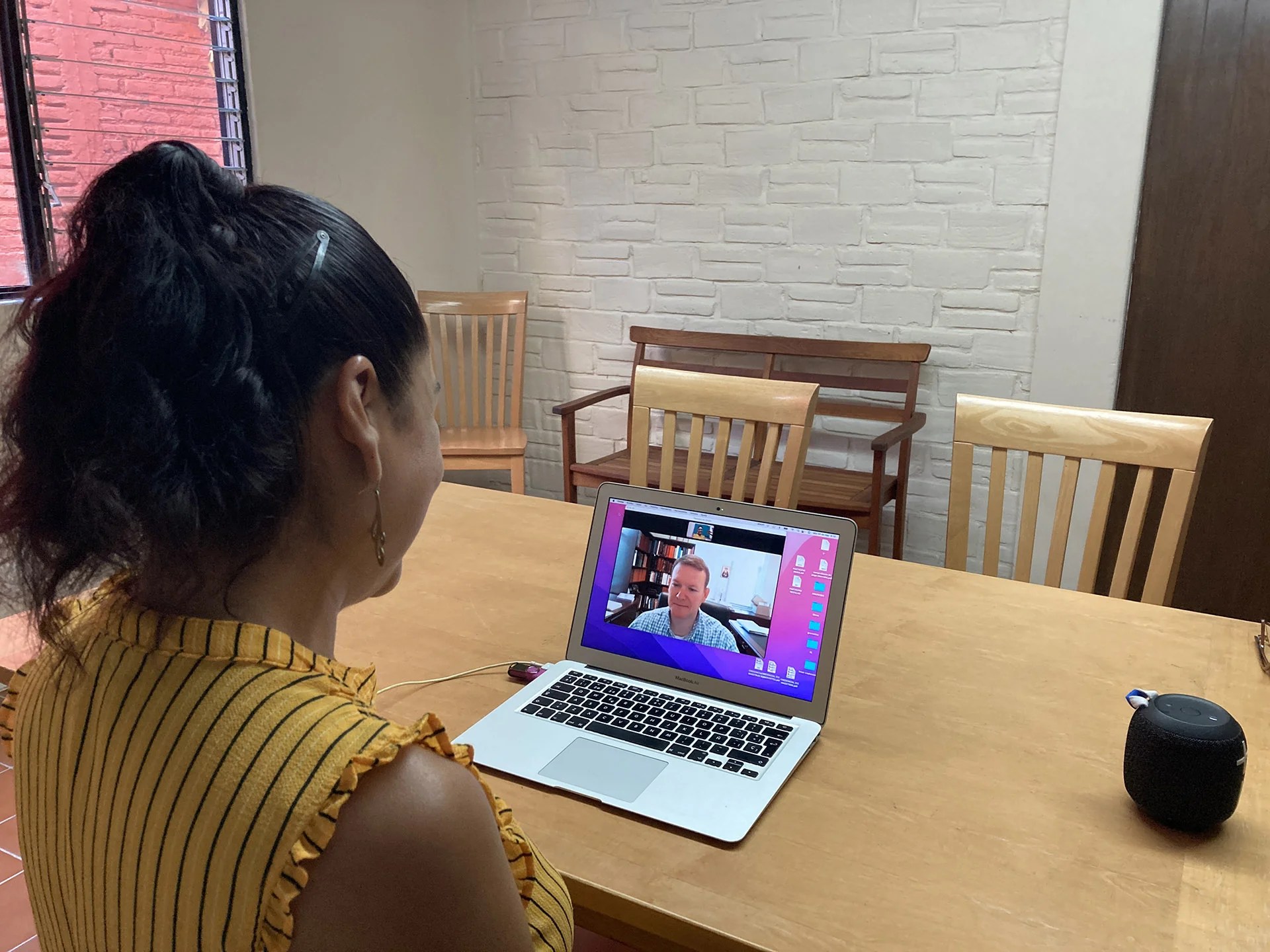
A significant proportion of visitors to Cuernavaca are students of all ages anxious to learn or improve their Spanish. In the 1980s, Cuernavaca was the second-largest center in the world for Spanish study after Salamanca, Spain. The undeserved drop in international visitors due to fears of violence and the later Covid pandemic resulted in the closure of many schools and down-sizing of others, so many web sites may be obsolete. There are several good schools and some mediocre ones. All have in common native teachers and intensive instruction in classes of four or five students per teacher. Due to low enrollments, you may be fortunate to find only 2 or 3 students per class. You may select a large school with numerous curricular options and a huge variety of activities, or a small school with more individual attention. Just do an online search for “Spanish language classes in Cuernavaca” and compare schools on their websites.



CRIME
The U.S. State Department warns travelers to “reconsider travel to Morelos.” But the violence is largely drug lords killing other drug lords. A web comparison of murder rates internationally shows that Cuernavaca is safer than most cities of comparable size in the U.S. Still, it is never wise to walk alone late at night or carry more valuables than you can afford to lose. It is safe to flag taxis on the street, although radio cabs are preferable since any items left behind can be recovered.
Given the nightmarish international publicity about Mexico’s drug wars, safety and security issues are obviously of concern. Until recently Cuernavaca escaped the shootouts that characterize the hapless border cities. Hence some drug lords took advantage to hide their safe houses in suburban residential developments and government forces have confiscated many of them. In the last few years, a turf war between rival drug cartels has led to scores of assassinations. Often the cartels murder rivals in remote areas and dump the bodies in Cuernavaca for publicity. There are so many pueblos in the state without adequate police protection, hence the high murder rate for the state. But students, tourists, and expats are not the targets nor the victims. Spanish language schools have excellent security.
HEALTH & MEDICAL CARE
Given that Cuernavaca is a resort where important people from the Mexico City spend a lot of time and the existence of a large expat population, the health infrastructure is superb. Emergency care is excellent and waiting times are probably much less than in many U.S. cities. One can dial 911 for all emergency services and, in a medical emergency, request an ambulance. If you are able to take a taxi, an excellent choice for rapid attention is Cruz Roja, Red Cross (Rio Pánuco corner Los Volcanes, tel. 777 315 3505 or 3515; ambulance service 065). The cost of a consulta is less than ten dollars depending on the current exchange rate. X-rays, EKG, and lab tests are extra but a fraction of the cost for those services in the States. Resident physicians are on duty 24 hours; some specialists keep regular office hours there, and other specialists are on-call. For more serious problems, hospital emergency rooms are a better bet. For more detailed information, see my blog post “You Can Afford to Get Sick Here.” https://jimhornnews.com/2016/07/18/you-can-afford-to-get-sick-here-2.
WHAT’S MISSING HERE
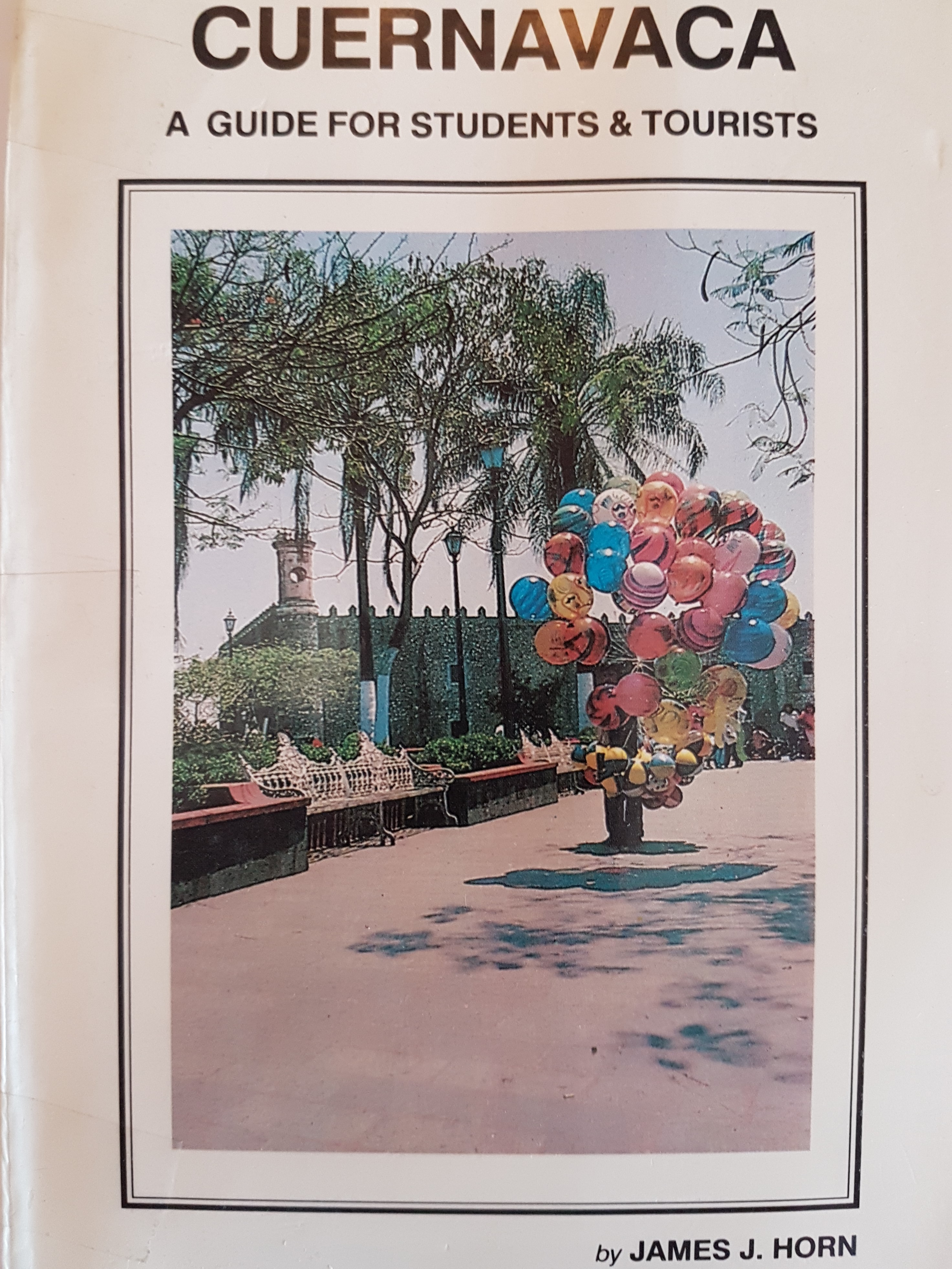
My guidebook to Cuernavaca is over twice as long as this post, so numerous topics could not be included here. Some of the topics missing are: what to pack, public transportation, finances, internet, cell phone service, LGBT, gyms and recreation, nightlife, churches, shopping, alcoholic beverages, and a multitude of services available: jewelry repair, shoe and luggage repair, beauty parlors, auto rental, bus companies, and more. The health section includes a list of doctors by specialty. In addition, there are separate chapters with detailed suggestions for travel to Mexico City and Acapulco. The market demand makes it too costly to physically print the guidebook with its color photos, so it is only available as an e-book from Amazon.com. One click and you have almost 24 thousand words for the price of a margarita
Suggestions are welcome, preferably to my email jhornmex@gmail.com. Ads will be erased. Thanks for reading this far.


 Jim Horn News
Great article, Jim, and a well-deserved recommendation for Cuernavaca and Morelos in general. Go where Mexicans go for a vacation! Susan *********************** Susan Ansara ansara@me.com 575-649-8786 ************************
>
I just moved to Cuerna about 2 months ago. This was a very helpful read! Thank you 🙂
Welcome to paradise Natalie. Enjoy.
This was a wonderful read and brought back lots of memories. In 1992, I graduated from the University of Texas and went to Centro Bilingue (now Uninter) for 2 weeks. I got a job at the school and came home 8 months later. After a few months there, I met Michael who came to study Spanish. We were engaged in 2 months and in October will celebrate 32 years. I would love to come back and visit and bring our 4 young adult children to see where it all began. I found some pics of Javier and Maru on the FB site dating 2024. And, I believe I see Rueben and possibly my “Mexican Mama” Marta. **Did you, by chance, work at SMU at one time? I ask because that is how I heard about the school. A professor met my parents on vacation in Mexico in 1992 and told them about the school. Just wondering if it happened to be you.
What a wonderful story. I would have been at Centro Bilingue in the spring semester then as resident director of the SUNY students. it is now one school in the Universidad Internacional, with several hundred Mexican students and, sadly, very few Spanish language students. Maru is semi-retired but Francisco and Carlos are still full time. Javier is rector of Uninter and his son is director of the Spanish program. If you mean Ruben Duran, he married a Norwegian, now divorced, and lives in Oslo. I hope you get a chance to return.